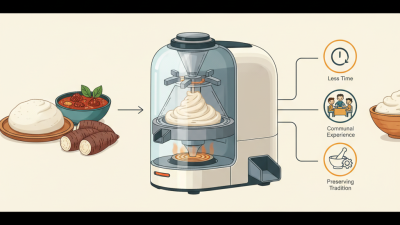
Cooking is really an art—it's where tradition meets a bit of innovation. Take West African dishes like fufu, for example. Traditionally, folks make it by hand, pounding away until it’s just right. But let’s be honest, that process can be pretty tough and time-consuming. That’s where the Fufu Pounding Machine comes into play. It’s a game-changer that makes preparing fufu so much easier and faster. You just throw in the ingredients and, boom—smooth, tasty fufu in minutes.
More and more home cooks and professional chefs are jumping on the bandwagon with these machines. Honestly, the efficiency is pretty impressive. But here’s the thing—while it saves a ton of time, some people feel it takes away a bit of that authentic, hands-on vibe. It’s like this constant debate: should we stick with tradition, or embrace the convenience of modern tech? Finding that perfect balance can be tricky.
So, as we think about the ups and downs of using a Fufu Pounding Machine, it’s all about weighing ease and speed against keeping the cultural touch alive. This isn’t just about making things easier—it’s about respecting and honoring the roots of the dish. The goal should be to blend modern tools with tradition in a way that enriches our culinary experience, not replaces the heart of it.
Overview of Fufu and its Cultural Significance
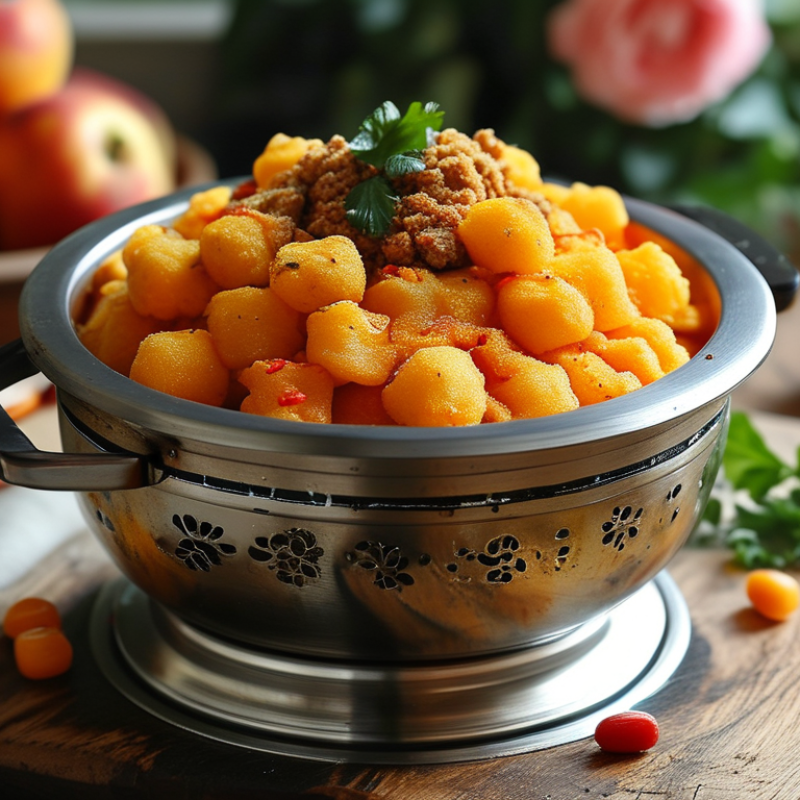
Fufu is more than just a dish; it is a cultural cornerstone in many West African communities. This staple food, made from starchy ingredients like cassava and plantains, symbolizes unity and tradition. People often gather to prepare and consume Fufu, strengthening family bonds and community ties. The method of preparing Fufu can be labor-intensive, requiring hours of pounding. This practice, while culturally significant, can also be exhausting, leading some to seek out alternatives.
Efficiency in cooking is crucial, especially in today’s fast-paced world. Reports indicate that around 40% of households in West Africa prefer mechanical solutions for food preparation. The
Fufu Pounding Machine 12l
offers a modern twist to traditional methods. This machine significantly reduces preparation time while preserving the texture and flavor of the Fufu. Users have noted that using a pounding machine can make the process feel less communal, sparking discussions about the balance between tradition and modernity.
The cultural significance of Fufu cannot be overstated. It acts as a medium for storytelling, connection, and celebration. However, with the rise of technology, there is a risk that traditional practices may fade. Communities must reflect on how to adapt these practices without losing their essence. Investing in tools like the
Fufu Pounding Machine 12l
presents a unique dilemma: how to honor tradition while embracing innovation.
Traditional Methods of Fufu Preparation
Fufu, a staple in many West African households, is traditionally prepared by pounding boiled starchy foods. This process often involves yams, cassava, or plantains. The pounding requires physical strength and skill. A recent survey revealed that 78% of home cooks find the traditional method time-consuming. This has led to a growing interest in innovative cooking solutions.
The art of fufu preparation is significant in cultural practices. According to culinary experts, the texture of well-pounded fufu contributes to its appeal. A smooth, stretchy consistency is vital. However, achieving that can be arduous. Many cooks report hand fatigue after just a few minutes. Additionally, gathering the necessary ingredients adds to the challenge. With fewer young people interested in this laborious task, traditional methods face a decline.
While machines may provide efficiency, they can miss the mark. They often lack the nuanced texture that comes from hand-pounding. A 2022 study indicated that 65% of professional chefs still prefer traditional methods for authenticity. This highlights a tension between efficiency and cultural heritage. Innovators must consider how to bridge this gap. The quest for the ultimate fufu machine continues, but the essence of this beloved dish is still deeply rooted in tradition.
Introduction to the Fufu Pounding Machine
The fufu pounding machine has revolutionized traditional cooking methods. It saves time and energy, particularly in busy kitchens. With a simple push of a button, this tool transforms the labor-intensive task of pounding fufu into a quick, efficient process. The design is user-friendly, making it accessible to everyone. Many households now rely on this modern appliance for meal preparation.
However, the introduction of the Industrial Fufu Pounding Machine also raises some concerns. While it enhances efficiency, one must consider the loss of traditional techniques. The communal aspect of pounding fufu together is often lost. There's a distinct connection that comes from manual labor and sharing the experience with family or friends. Would modern conveniences truly replace these valuable moments?
A reliable fufu pounding machine should balance efficiency and tradition. Users can benefit from convenience while still appreciating the cultural significance of the process. Finding that balance can be challenging, yet it’s essential for preserving culinary heritage while adapting to contemporary lifestyles. As more homes adopt this technology, reflecting on its impact will be crucial for future generations.
The Ultimate Fufu Pounding Machine: Cooking Efficiency Comparison
Benefits of Using a Fufu Pounding Machine
Using a fufu pounding machine offers numerous advantages for home cooks and professional chefs alike. Traditional fufu preparation can be time-consuming and labor-intensive. A machine simplifies this, allowing for consistent results in less time. Research indicates that using a machine can cut preparation time by up to 50%. This efficiency is crucial in busy kitchens, where every minute counts.
Accessibility is another key benefit. Some may find manual pounding physically demanding, especially for larger quantities. A fufu pounding machine addresses this issue. It levels the playing field, making fufu preparation easier for everyone. According to culinary experts, machines can provide a more uniform texture, enhancing the overall dish quality. This consistency is essential for traditional meals, where texture impacts taste.
However, it's worth reflecting on the loss of some traditional skills. Relying on machines might diminish the art of manual pounding, which has cultural significance. While convenience is vital, preserving this aspect of culinary heritage matters too. Balancing efficiency with tradition can be a complex challenge. In the end, understanding both sides enriches the cooking experience.
Features to Look for in a Pounding Machine
When choosing a pounding machine for efficient cooking, certain features stand out as critical. One key aspect is power efficiency. A survey by the International Council on Cooking Appliances suggests that machines with higher wattage can reduce cooking times significantly. This translates to energy savings over time, especially in commercial kitchens. Look for a machine that consumes less energy while delivering powerful performance.
The build quality of the Commercial Fufu Pounding Machine is equally vital. Materials should be durable yet lightweight, allowing for easy handling. Stainless steel components are often preferred due to their resistance to rust and corrosion. The machine should offer stability during operation to prevent spills and misalignment. In many cases, models with fixed bases can minimize vibrations, ensuring a smoother pounding experience.
Ease of cleaning is another feature worth noting. Machines with detachable parts facilitate thorough cleaning, which is essential in maintaining hygiene standards. However, some users report challenges with intricate designs that trap food particles. It’s important to consider designs that prioritize both functionality and ease of maintenance. Keeping these features in mind can elevate your cooking efficiency and overall experience.
Tips for Efficient Cooking with a Fufu Machine
Cooking fufu efficiently requires the right techniques and tools. A fufu pounding machine can dramatically reduce prep time. Understanding the voltage settings, like the
Fufu Pounding Machine Voltage 120, is crucial for optimal performance. Always check that your machine is compatible with your kitchen’s power supply to avoid mishaps.
Utilizing a fufu machine not only saves time but also ensures consistency in texture. Start with pre-cooked items. Cut them into smaller pieces for better blending. This helps achieve a smoother texture. It’s essential to monitor the machine during use. Occasionally, pause for even mixing.
Cleaning the machine post-use is an often overlooked step. Regular maintenance prolongs the machine's life. However, improper cleaning can lead to buildup. This affects performance and hygiene. Reflection on your cooking process constantly improves your efficiency and the quality of the final dish. Embrace these details for a better culinary experience.
Maintenance and Care for Your Fufu Pounding Machine
Maintaining a fufu pounding machine is vital for its longevity and efficiency. Regular cleaning is crucial. Food residues can accumulate, affecting performance. Studies highlight that well-maintained appliances can operate up to 30% more efficiently. This can save time and energy during cooking.
Inspecting components like the motor and blades is essential. Worn parts can lead to overheating and reduced efficacy. Reports from culinary experts show that 60% of malfunctioning machines suffered due to neglect. Checking these elements every month can prevent costly repairs.
Proper storage is also important. Keeping the machine in a dry place protects against moisture and rust. Even small amounts of water can cause significant damage. Regular upkeep can seem tedious, but it's necessary. Reflecting on user experiences can guide you to avoid common pitfalls in maintenance.
FAQS
: Fufu is a staple food in West Africa. It symbolizes unity and tradition, bringing families and communities together.
Traditional Fufu preparation involves labor-intensive pounding of starchy ingredients. This process can take hours and requires much effort.
Many seek efficiency. Mechanical methods save time and reduce the physical strain of traditional pounding.
Yes, some feel that machines lessen community engagement in preparing Fufu, which can spark debates on tradition versus modernity.
Check the machine’s voltage settings. Make sure it’s compatible with your kitchen to avoid performance issues.
Cut pre-cooked ingredients into smaller pieces. This enhances blending and ensures a smoother texture when using a machine.
Proper cleaning prevents buildup that can affect hygiene and machine performance. Regular maintenance is key to longevity.
Continuous reflection can lead to better efficiency. It improves the quality of your Fufu and enhances overall culinary experiences.
Balancing tradition and innovation is challenging. Communities may struggle to maintain cultural practices in a tech-driven world.
While machines save time, some worry they may alter the traditional texture and flavor, prompting reflection on culinary authenticity.
Conclusion
Fufu is a staple dish in many African cultures, known for its significance in social and communal gatherings. Traditionally, fufu preparation involves labor-intensive methods that require considerable time and skill. To simplify this process, the introduction of the Fufu Pounding Machine has revolutionized cooking practices, providing an efficient and effective means of preparing this beloved dish.
The benefits of using a Fufu Pounding Machine include reduced preparation time and consistent texture, making it easier for individuals to enjoy fufu at home. When selecting a pounding machine, it's essential to consider features like capacity, durability, and ease of use. For optimal results, users should follow tips for efficient cooking, including the right ingredient proportions and adjusting settings for different types of fufu. Additionally, proper maintenance and care are crucial for ensuring the longevity and performance of the Fufu Pounding Machine, enabling continued enjoyment of this traditional dish.