
Leave Your Message
Engineered for durability, power, and voltage stability to meet the rigorous demands of Nigerian households and commercial enterprises.
Nigeria, boasting a vibrant population of over 200 million people, represents one of the most dynamic and rapidly expanding consumer markets in Africa. At the heart of Nigerian culture is its rich, diverse, and flavor-intensive culinary tradition. From the bustling streets of Lagos to the expanding urban centers of Abuja, Kano, and Port Harcourt, the preparation of traditional meals requires robust, efficient, and highly durable kitchen appliances. Consequently, the demand for high-quality food blenders has surged, transforming them from mere kitchen conveniences into absolute necessities for both domestic households and commercial food vendors.
Historically, the processing of tough local ingredients—such as dried crayfish, tiger nuts (Aya), robust beans for Akara and Moin Moin, and fibrous cassava—relied heavily on manual grinding stones or community commercial grinding mills. However, rapid urbanization, the rise of the middle class, and the proliferation of Small and Medium Enterprises (SMEs) in the food sector have triggered a massive shift towards electric food blenders. Today, Food Blender Suppliers & Manufacturers in Nigeria are witnessing unprecedented demand for heavy-duty, high-wattage machines capable of mimicking the efficiency of industrial grinders while fitting comfortably on a kitchen counter.
The Nigerian appliance market presents unique logistical and environmental challenges that manufacturers must navigate. Erratic power supply and frequent voltage fluctuations are common in many regions. Therefore, standard blenders designed for Western markets often fail prematurely. This specific environmental factor has led to a massive preference for appliances featuring global voltage compatibility (110V-240V) and advanced motor surge protection. Manufacturers who understand these localized pain points and engineer their products to withstand such rigorous conditions are the ones dominating the market spaces in Alaba International Market, Trade Fair Complex, and other major distribution hubs across West Africa.
Zhongshan Zhenmei Electrical Appliance Co., Ltd. is a premier OEM/ODM partner specializing in the manufacturing of kitchen appliances, including air fryers, electric pressure cookers, blenders, and more. With over 16 years of expertise, we transform concepts into high-quality, market-ready products for leading global brands.
Understanding the specific applications of food blenders in Nigeria is crucial for suppliers and manufacturers aiming to capture market share. The usage scenarios extend far beyond simple fruit smoothies, delving deep into heavy-duty food processing that tests the limits of appliance engineering.
In the typical Nigerian home, a blender is the workhorse of the kitchen. The preparation of the iconic Jollof rice requires the seamless blending of fresh tomatoes, scotch bonnet peppers (atarodo), bell peppers (tatashe), and onions into a thick, smooth puree. Similarly, traditional soups like Egusi (melon seed soup) and Ogbono require the dry milling of hard seeds. Blenders supplied to the Nigerian market must feature hardened stainless steel blades and powerful motors (often 2200W and above) to crush these dry ingredients without burning out the motor. Multi-functional blenders equipped with both wet jars and dry milling cups are highly sought after by Nigerian homemakers.
The informal food sector, characterized by local restaurants affectionately known as "Bukas," relies heavily on commercial-grade blenders. These establishments process massive volumes of food daily. For instance, peeling and grinding black-eyed peas for Akara (bean cakes) is a daily morning ritual across the country. A standard domestic blender would overheat within minutes under such strain. Hence, Bukas invest in large capacity (2L to 2.5L), high-wattage (3000W - 4500W) commercial blenders. The popular "Silver Crest" style heavy-duty blenders have become a staple in these environments due to their rugged build, simple analog controls, and ability to run continuously for extended periods.
With a growing health consciousness among the urban youth and expatriate communities in cities like Lagos (Victoria Island, Lekki) and Abuja, there has been a massive surge in smoothie bars and healthy beverage startups. These businesses require blenders capable of crushing solid ice, frozen fruits, and tough roots like ginger and turmeric into silky smooth beverages in seconds. Sound-enclosure commercial blenders and high-RPM machines are critical for these localized commercial applications, ensuring fast service and a premium customer experience.
Beyond the kitchen, food blenders play a vital role in Nigeria's agricultural value chain. Small-scale farmers and agro-processors use heavy-duty blenders to process harvested crops into value-added products. This includes milling dried spices, producing locally packaged tomato pastes, and extracting oils or milks from nuts. The versatility of a powerful blender allows local entrepreneurs to start packaging businesses with minimal capital expenditure, driving economic empowerment at the grassroots level.
Our strength lies in robust in-house manufacturing. Operating from a 40,000 sqm advanced facility, powered by 300+ dedicated professionals and 20+ R&D experts, we ensure precision and control at every stage.
Our massive 10,000+ units daily output reliably meets the demands of high-volume orders worldwide. We are committed to excellence, underpinned by a rigorous quality control system that guarantees the safety and reliability of every product.
We are the trusted, end-to-end solution for your OEM/ODM needs. Choose us for innovation, scale, and reliability. Let's build your next success story together.
The landscape of food blender manufacturing and supply in Nigeria is undergoing significant transformation, driven by technological advancements and shifting consumer expectations. As a leading OEM/ODM manufacturer, staying ahead of these trends is vital for supplying products that resonate with local distributors and end-users.
1. The Shift Towards Ultra-High Wattage: A few years ago, a 500W blender was considered standard for a Nigerian home. Today, the baseline has shifted dramatically. Consumers now actively seek out blenders labeled 2000W, 3000W, or even 4500W. While some of these figures represent peak power rather than continuous running power, the psychological demand for "Big Powerful" machines is undeniable. Manufacturers must engineer motors that actually deliver high torque to meet the physical demands of Nigerian food processing, ensuring the copper winding is thick enough to prevent overheating.
2. Unbreakable Jars and Copper Motors: Breakage of glass or cheap plastic jars is a common complaint in the Nigerian market. The trend has firmly shifted towards Polycarbonate (PC) or Tritan BPA-free "unbreakable" jars. Suppliers who demonstrate the durability of their jars (often through extreme physical demonstrations) gain massive market trust. Furthermore, 100% pure copper motors are a major selling point, as Nigerian consumers associate copper with longevity and resistance to power surges, as opposed to cheaper aluminum-wound motors.
3. Localization of Brand Identity through OEM: Many prominent blender brands in Nigeria are actually localized brands created by smart Nigerian importers utilizing Chinese OEM/ODM services. By partnering with established manufacturers like Zhongshan Zhenmei, Nigerian businesses can specify the exact motor strength, blade configuration (often 6 to 8 leaf stainless steel blades), and plug types (UK standard 3-pin is predominant in Nigeria) required for their market. This bespoke manufacturing approach allows local brands to compete fiercely with international heavyweights, offering superior localized performance at a more accessible price point.
4. After-Sales Support and Spare Parts Availability: A critical trend dictating the success of a blender brand in Nigeria is the availability of spare parts. Couplers, mushroom heads, drive sockets, and replacement blades wear out due to heavy use. Suppliers who provide ample spare parts alongside their wholesale shipments empower local technicians to repair rather than discard the machines, building immense brand loyalty in a market that values long-term investment in appliances.
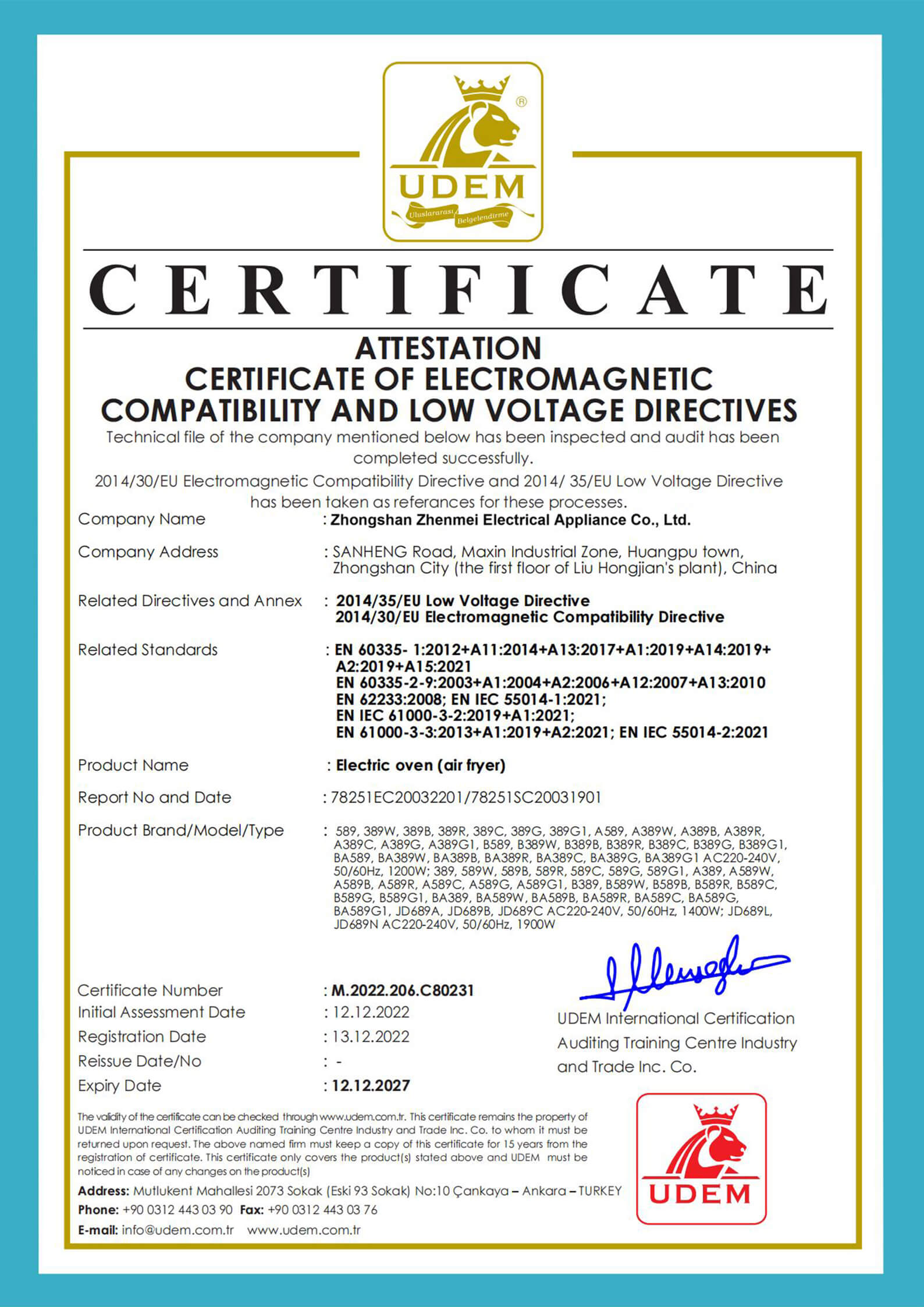
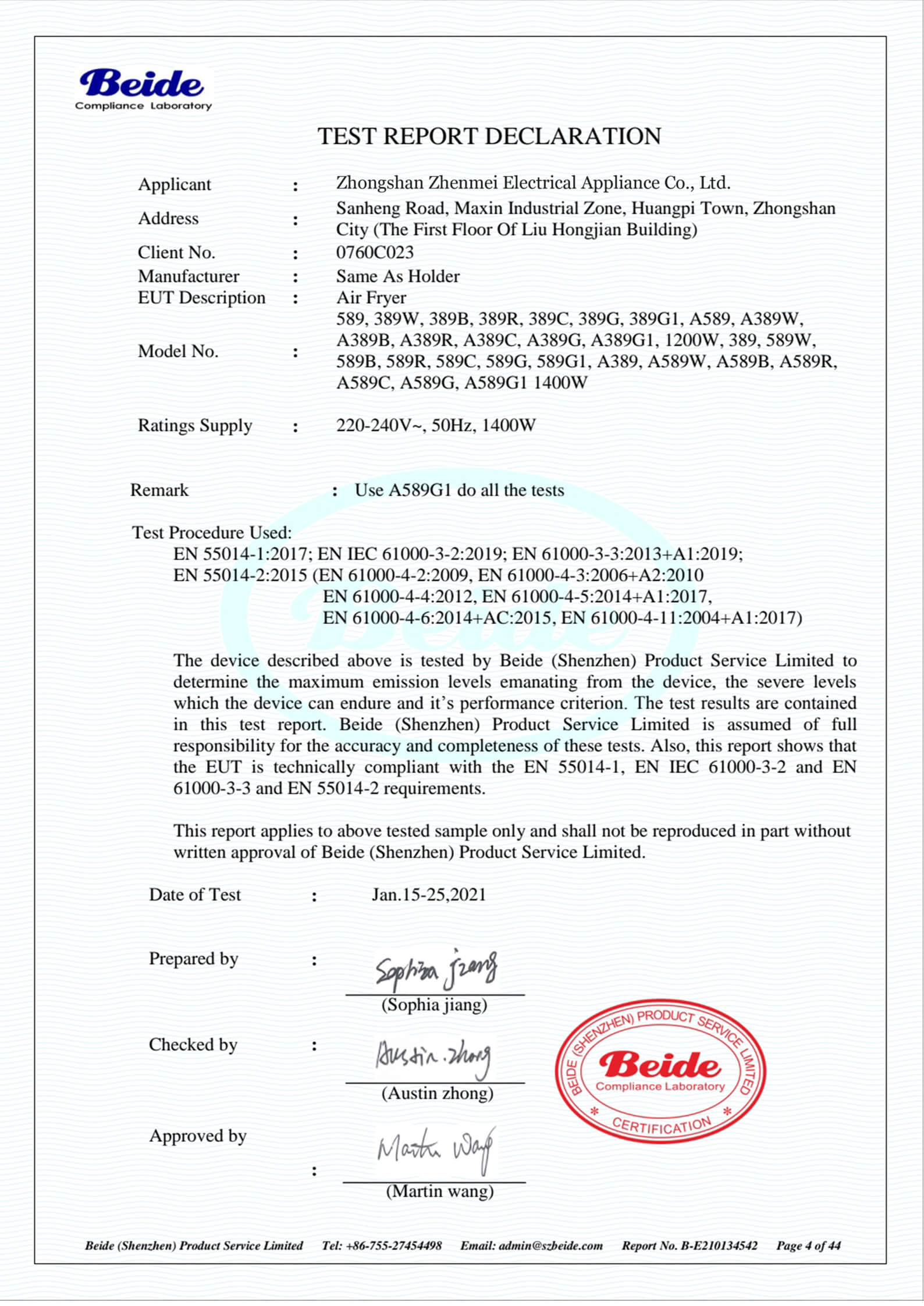
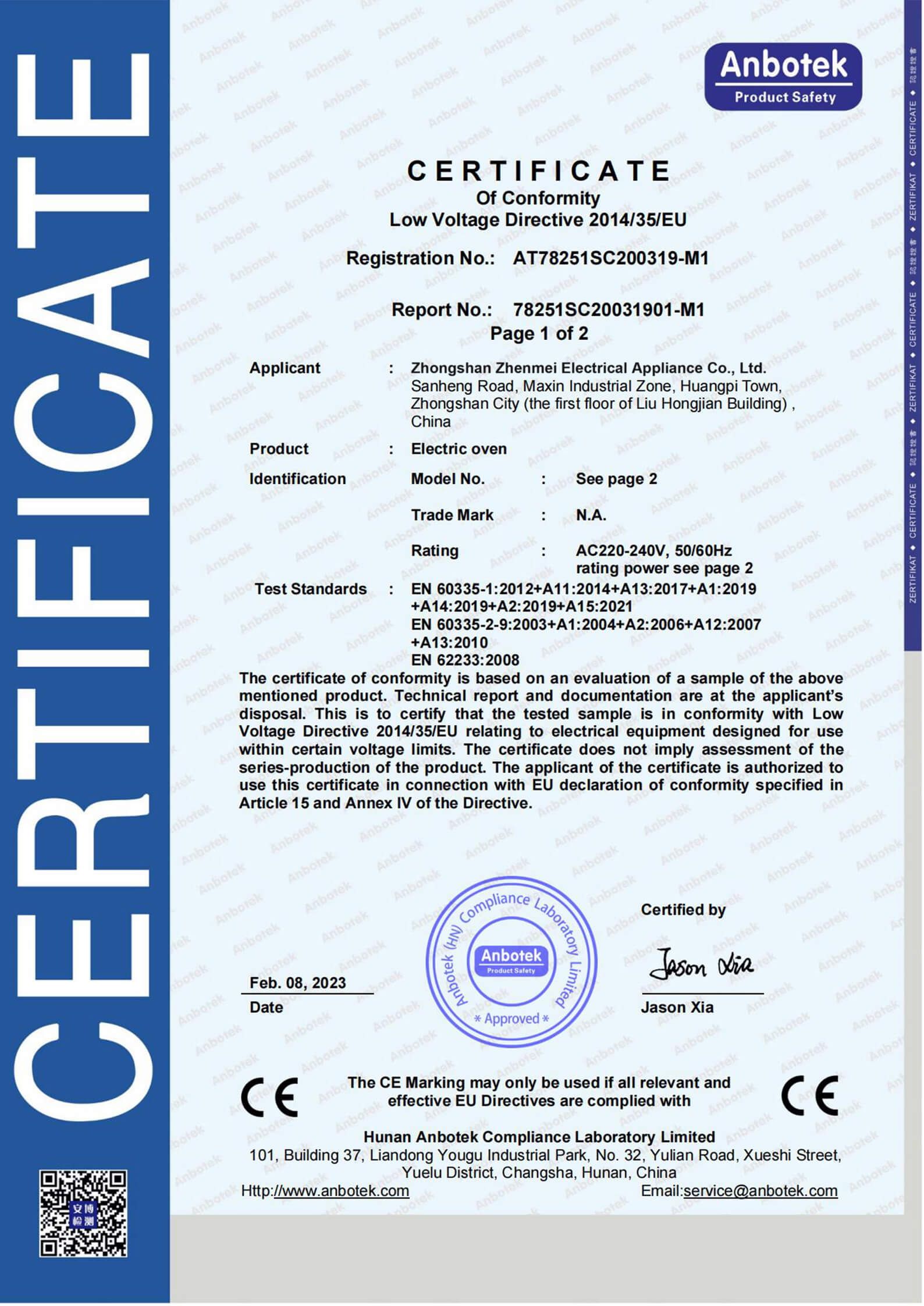
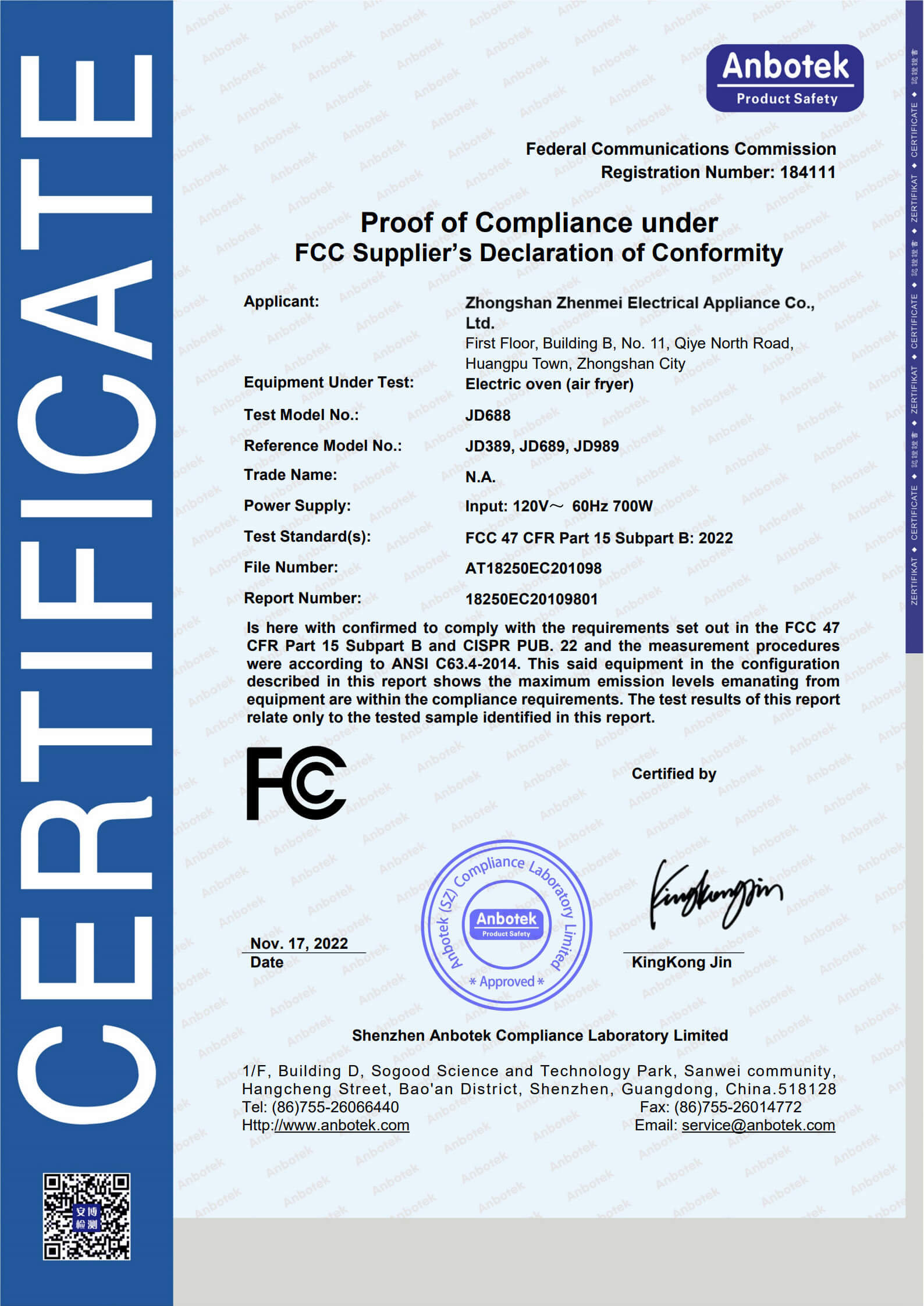
Committed to international quality standards, ensuring safety and reliability for the global and African markets.
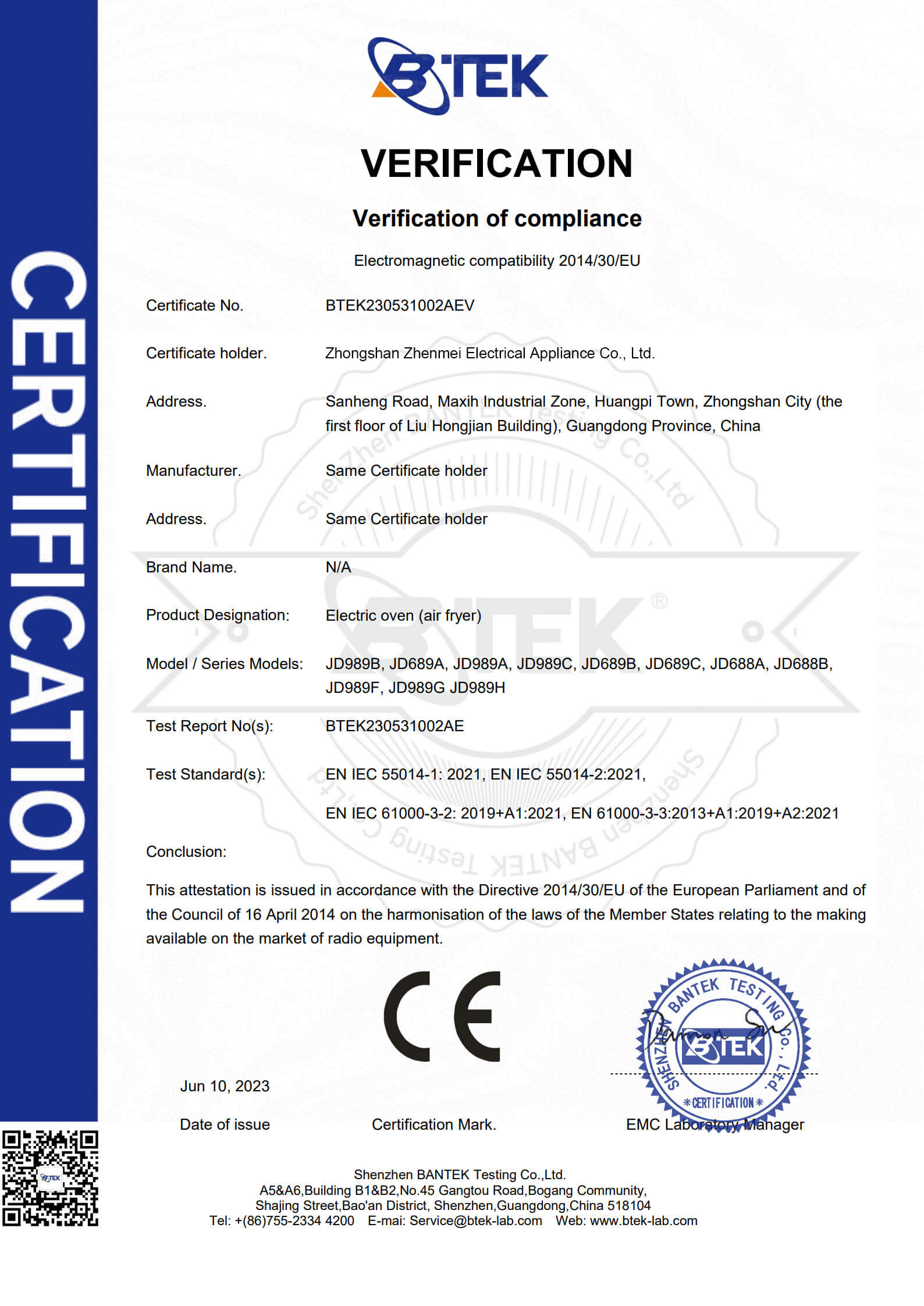
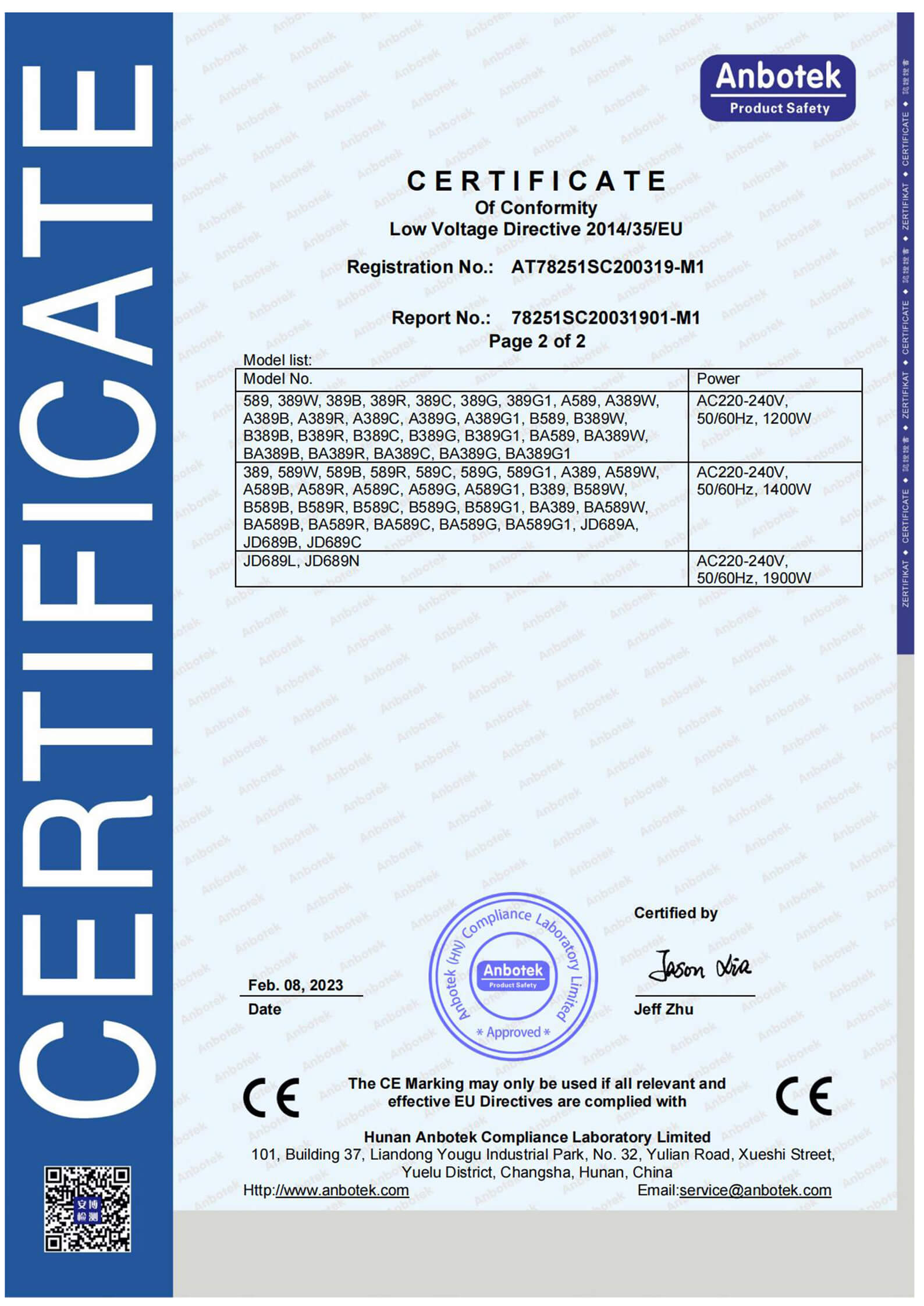
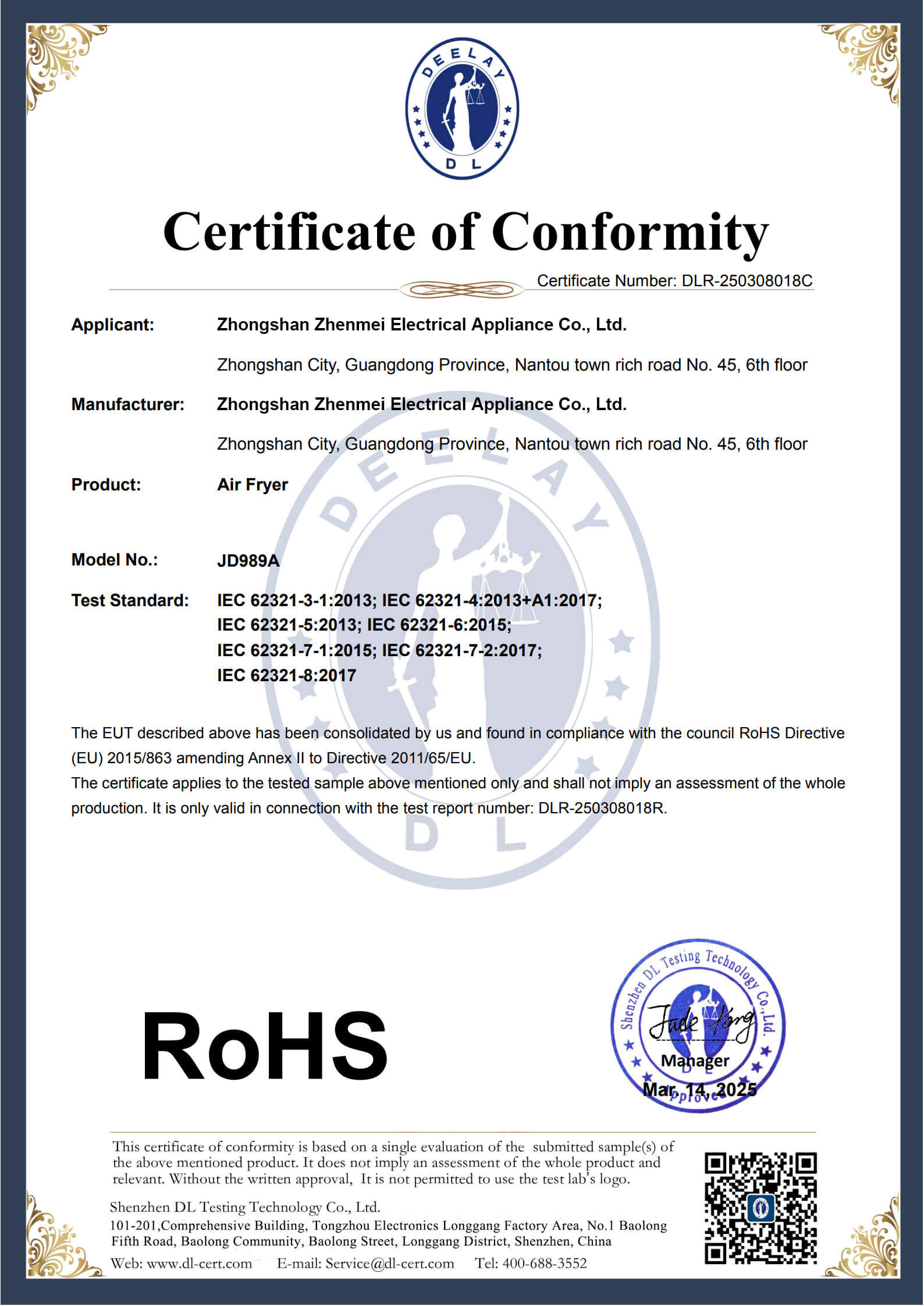
Explore our full lineup of OEM/ODM blender solutions, customized for high-performance blending in West Africa.





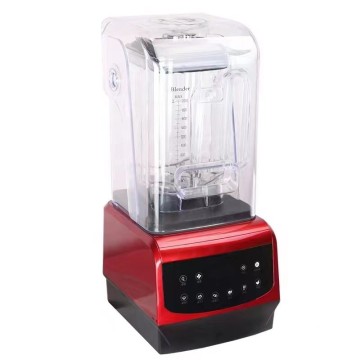 B-810 Commercial Blender 2200W - 2.5L Jar (Lagos Edition)
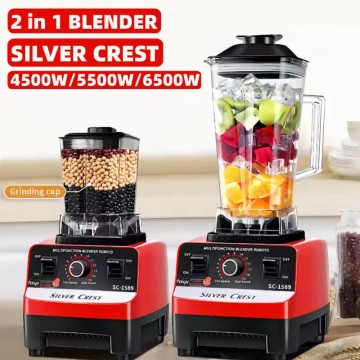 2L 3000W Silver Crest Powerful Smoothies Blender (Abuja Spec)