Leave Your Message

Fufu Pounding Machine Manufacturer & Factories in Switzerland

Bridging traditional culinary heritage with Swiss precision engineering. Explore the local landscape, commercial applications, and manufacturing trends of automated food pounding systems in Switzerland.

The Rise of Automated Fufu Pounding Solutions in Switzerland

Switzerland, renowned globally for its precision engineering, watches, and premium chocolate, is experiencing a quiet but significant transformation in its niche food-processing sector. The convergence of multicultural culinary influences and advanced home appliance manufacturing has paved the way for specialized products like the Fufu Pounding Machine. Historically, Fufu—a staple food in West and Central African cuisines made from boiled cassava, yams, or plantains—required intensive manual labor, involving heavy mortars and large wooden pestles. Today, Swiss manufacturers, importers, and tech-focused factories are reimagining this process through smart, automated kitchen appliances.

⚙️
Swiss Engineering Standards: Local compliance requires high-torque motors to handle the dense, viscous consistency of pounded tubers while maintaining low noise levels and energy efficiency.

As the African diaspora grows in major Swiss urban centers like Zurich, Geneva, Basel, and Bern, the demand for authentic yet convenient food preparation tools has spiked. Commercial establishments, cultural bistros, and domestic kitchens alike are seeking automated solutions that preserve the traditional texture of Fufu without the physical strain. This shift has encouraged local Swiss distributors to seek high-quality OEM/ODM manufacturing partnerships, integrating Swiss safety standards and industrial designs with efficient production lines abroad.

Industrial & Commercial Applications across Swiss Cantons

In Switzerland, the application of Fufu pounding machines is divided into two distinct sectors: high-end domestic smart kitchenware and heavy-duty commercial food service equipment. In the commercial sector, Swiss hospitality standards demand impeccable hygiene, durability, and speed. Traditional pounding methods are practically impossible in commercial Swiss kitchens due to strict noise ordinances and labor safety laws. Thus, automated Fufu machines have become essential equipment for ethnic restaurants and catering services operating in Geneva and Zurich.

1. Afro-Swiss Gastronomy and Catering

High-end catering companies specializing in African-European fusion cuisine use these machines to prepare consistent batches of Fufu. Consistency is key in professional gastronomy; a machine that can regulate speed and temperature ensures that every serving of Fufu has the perfect elasticity and smooth texture required by discerning customers.

2. Smart Home Integration

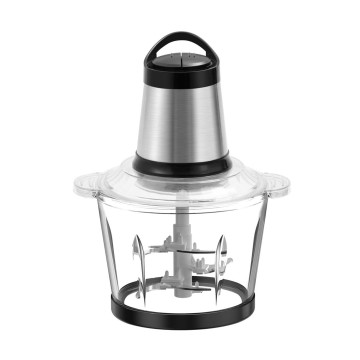
On the domestic front, Swiss consumers prioritize compact design, multi-functionality, and aesthetic appeal. A device cannot simply be a single-use appliance. It must double as a food processor, glass chopper, and grinder. The Swiss market demands robust materials such as borosilicate glass and food-grade 304 or 316 stainless steel, reflecting the nation's commitment to sustainability and health-conscious living.

🇨🇭
Local Compliance & Certification: Any appliance entering the Swiss market must carry CE marking, and frequently undergo rigorous testing by Swiss safety organizations to guarantee electromagnetic compatibility and chemical safety (RoHS).

Industry Trends: The Future of Kitchen Automation

The global kitchen appliance market is moving rapidly toward smart automation, and Swiss factories are at the forefront of this trend. For Fufu pounding machines, several key innovations are shaping the future of the industry:

  • Brushless DC Motors (BLDC): Offering higher torque at lower speeds, BLDC motors reduce heat generation and wear, extending the appliance's lifespan—a crucial factor for Swiss consumers who value long-term product reliability.
  • IoT and Smart Sensors: Future models are expected to feature texture sensors that automatically stop the pounding process once the optimal elasticity is achieved, connecting seamlessly to Swiss smart home ecosystems via Wi-Fi or Bluetooth.
  • Eco-Friendly Manufacturing: In alignment with Switzerland's strict environmental regulations, manufacturers are focusing on recyclable components, reduced packaging volume, and energy-saving operation profiles.

Global OEM/ODM Synergy

While Switzerland excels in design, branding, and local distribution, it heavily relies on established manufacturing hubs like Zhongshan, China—the global capital of small household appliances. By combining Swiss design principles, strict quality control, and local market understanding with the unparalleled supply chain efficiency of factories like Zhongshan Zhenmei Electric Appliance Co., Ltd., brands can deliver top-tier, cost-effective culinary solutions to European consumers.

Development History of Zhongshan Zhenmei Electric Appliance Co., Ltd.

Rooted in Zhongshan — known as the "Home Appliance Capital of China" — driven by the spirit of "Continuous Improvement and Unceasing Innovation". We specialize in the small household appliance industry, growing from a budding enterprise into a trusted global partner.

2005
The Journey Begins
The company was officially established in Zhongshan, focusing on the R&D and manufacturing of small household appliances. Starting mainly with OEM production, we specialized in basic product categories such as electric kettles and rice cookers, and set up our first standardized production line.
2008
Establishing Reputation Through Quality
We introduced advanced quality management systems and obtained mandatory CCC certification for our products. Thanks to consistent product quality and a commitment to integrity, we gained the long-term trust of our first key clients, laying a solid foundation for the company’s growth.
2012
Boosting Production Capacity
To meet growing market demand, the company moved to a larger industrial park, expanded to 8 production lines, and introduced automated injection molding machines and testing equipment. Annual production capacity doubled as a result.
2014
Diversifying the Product Line
We established an independent R&D department and began expanding into a more diverse product portfolio. The successful launch of pressure cookers and blenders marked a strategic shift from single-category OEM production to multi-category integrated development.
2017
Driven by Technology
We increased investment in product technology R&D and obtained multiple utility model patents and design patents. Breakthroughs were made in energy efficiency, safety, and smart features — some products incorporated intelligent temperature control and timer functions.
2019
The First Year of Smart Manufacturing
We launched the "Smart Manufacturing" upgrade initiative, implementing ERP and MES systems to digitalize production processes. This significantly improved operational efficiency and product consistency. The same year, our ODM business model matured, allowing us to offer one-stop solutions from market research and industrial design to manufacturing.
2021
Green and Smart Manufacturing
In response to the national "Dual Carbon" goals, we adopted the Green Factory concept, optimized production processes to reduce energy consumption, and developed a series of energy-efficient and eco-friendly small appliances.
2023
Deepening Our Strategy
We focused on the healthy living and smart kitchen sectors, launching multiple hit products such as air fryers and high-speed blenders. By establishing in-depth partnerships with leading e-commerce platforms and offline distributors, we continued to expand our market share and enhance brand influence. Standing at a new starting point, Zhenmei Electric will continue to adhere to the business philosophy: "Driven by Innovation, Sustained by Quality, Winning Markets with Service."