Leave Your Message
In the modern era of rapid urbanization, "Small Apartment Living" has transitioned from a necessity to a lifestyle choice. As metropolitan areas like New York, Tokyo, London, and Shanghai see a rise in micro-apartments and studio living, the demand for high-efficiency, multi-functional kitchen appliances has skyrocketed. The traditional bulky kitchen is being replaced by "Smart Culinary Hubs," where the home microwave oven—often evolving into hybrid air fryer ovens—serves as the centerpiece.
With square footage at a premium, every inch of counter space must be justified. Industrial data suggests that the compact kitchen appliance market is growing at a CAGR of 6.5% annually. Consumers are no longer looking for just a "reheating box"; they demand a device that can bake, roast, air fry, and dehydrate within a footprint of less than 1.5 square feet.
The manufacturing landscape for home microwave ovens and compact air fryer ovens has undergone a seismic shift. Companies like Zhongshan Zhenmei Electrical Appliance Co., Ltd. are at the forefront of this industrial evolution. The industry has moved from simple mechanical timers to AI-integrated PID (Proportional-Integral-Derivative) temperature control systems. This ensures that even in a 15L compact unit, the heat distribution is as precise as a professional industrial oven.
From an OEM/ODM perspective, the focus is now on "Density of Function." Modern factories are optimizing internal airflow dynamics to allow for 360° hot air circulation, which eliminates the need for a rotating turntable—a common point of failure and a space-waster in older microwave designs.
The future of home microwave ovens for small apartment living is defined by three core pillars: Intelligence, Energy Efficiency, and Aesthetic Integration.
We are seeing the rise of "Visual Recognition" technology where internal cameras identify the food item and automatically adjust the power level and time. For the small apartment dweller—often a busy professional—this "Set and Forget" capability is invaluable. Integration with IoT ecosystems (Google Home, Alexa) allows users to preheat or monitor their meals from their smartphones while commuting.
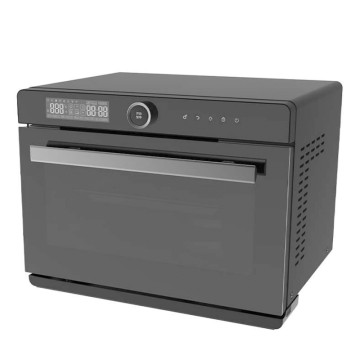
The industrial trend is blurring the lines between microwaves and air fryers. By combining magnetron technology with high-speed convection fans and quartz heating elements, these appliances offer the speed of a microwave with the texture of a convection oven. This is the ultimate "Holy Grail" for small apartment living, replacing three separate appliances with one smart unit.
Modern consumers are environmentally conscious. Industrial designers are now prioritizing "Eco-Mode" settings and highly reflective internal enamels that reduce energy consumption by up to 30%. Using materials that are 100% recyclable at the end of the product life cycle is becoming a standard in European and North American markets.
How does a high-end compact oven actually change the life of a small apartment resident? Let’s look at the scenarios that drive modern product design.
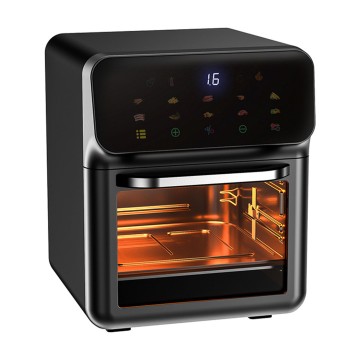
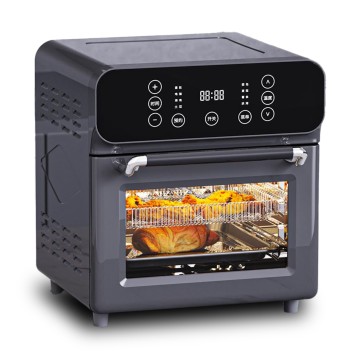
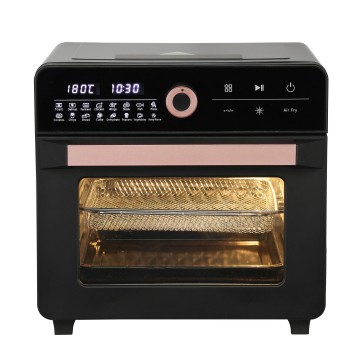
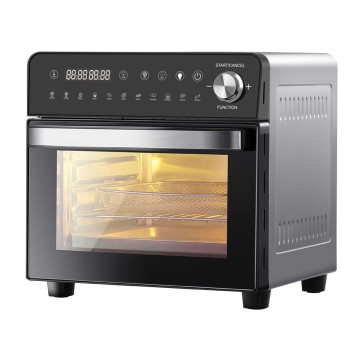
After a 10-hour workday, the resident of a 30-square-meter studio doesn't want to wait 40 minutes for a conventional oven to preheat. A 15L Digital Air Fryer Oven with 5 heating tubes provides instant heat, allowing for a healthy roasted salmon and asparagus dinner in under 12 minutes. This scenario drives the need for "Preset Modes" (as seen in the ATS-15DK model).
In student housing where space is minimal and oil-heavy cooking is often discouraged due to smoke, the 360° hot air circulation technology becomes a health tool. It allows for "frying" without oil, maintaining a clean living environment while supporting a balanced diet.
For those living in mobile homes or tiny houses, power consumption is as critical as space. Compact ovens with high-efficiency insulation and 1360W-1800W power ratings are engineered to deliver maximum thermal output without tripping circuit breakers in low-amperage environments.


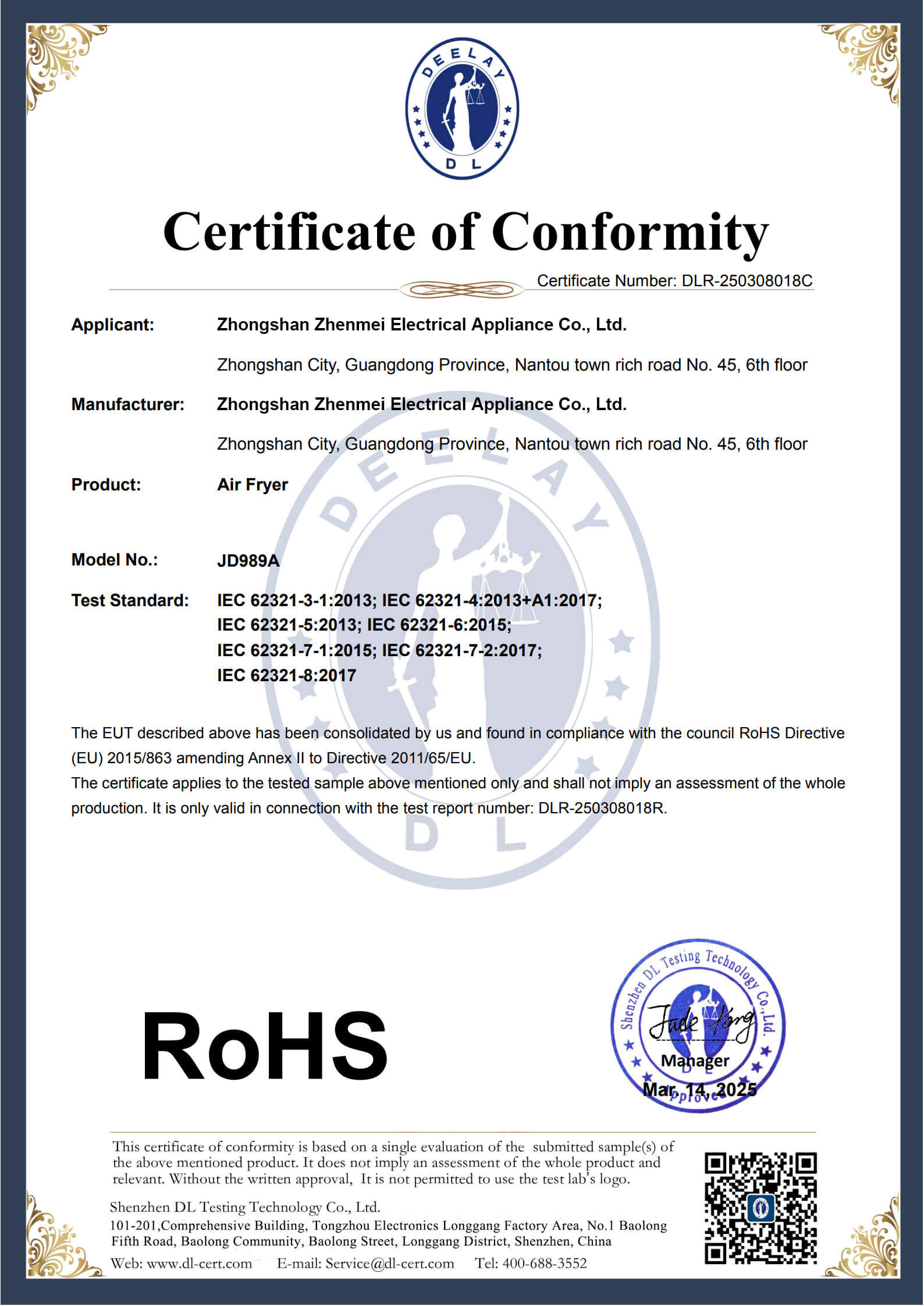
The reliability of a home microwave oven for small apartment living depends on the rigor of its manufacturing process. In the competitive landscape of the Pearl River Delta, technical superiority is defined by "Vertical Integration." This means controlling everything from the stamping of the stainless steel chassis to the precision injection molding of the control panels.
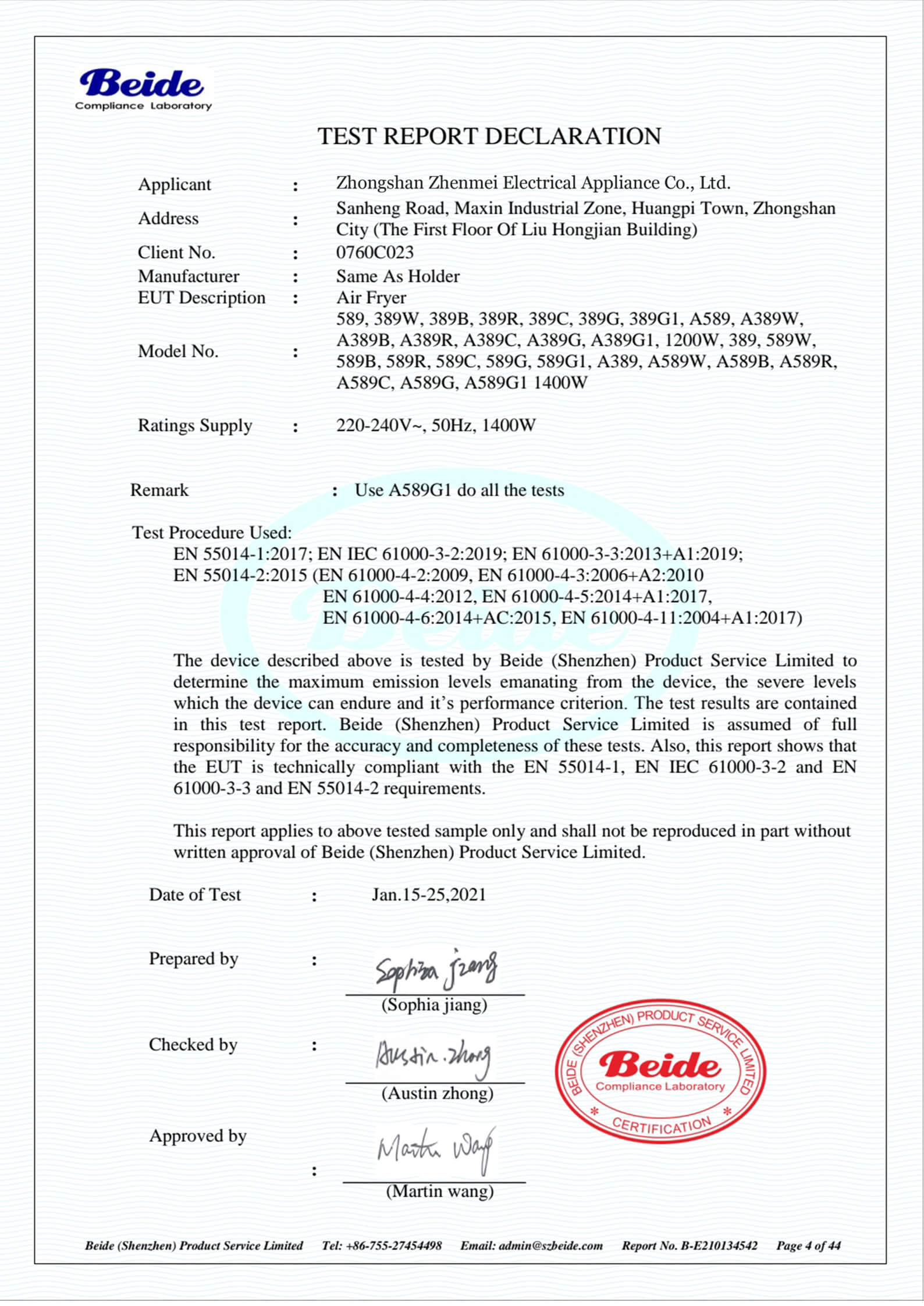
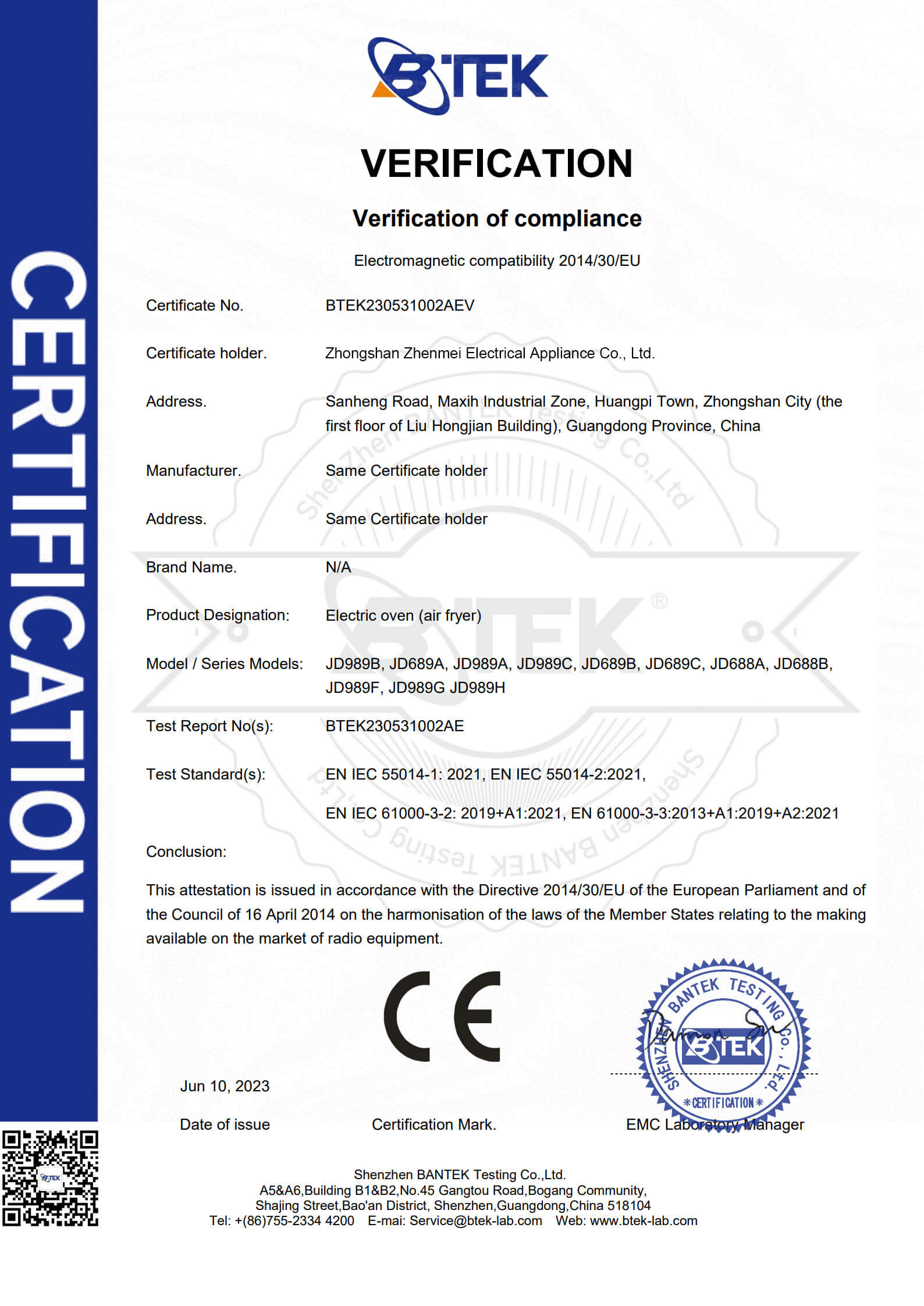
Quality control for these compact units involves rigorous testing: 5,000-cycle door opening tests, high-temperature endurance runs for the PCB, and electromagnetic interference (EMI) shielding checks. For small apartments, where the appliance is often close to other electronics like laptops and smart TVs, EMI shielding is paramount to ensure no signal disruption occurs during cooking.
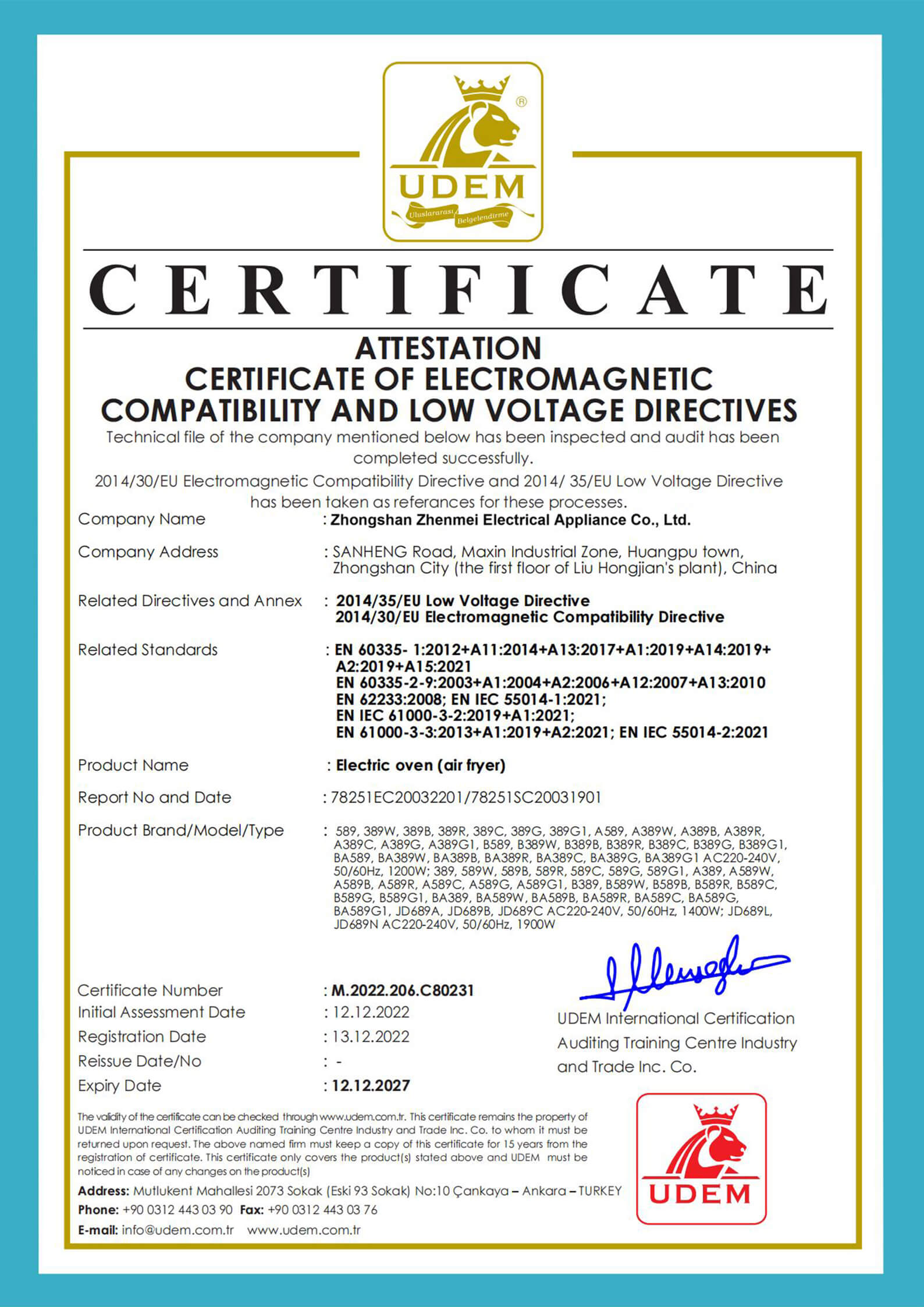
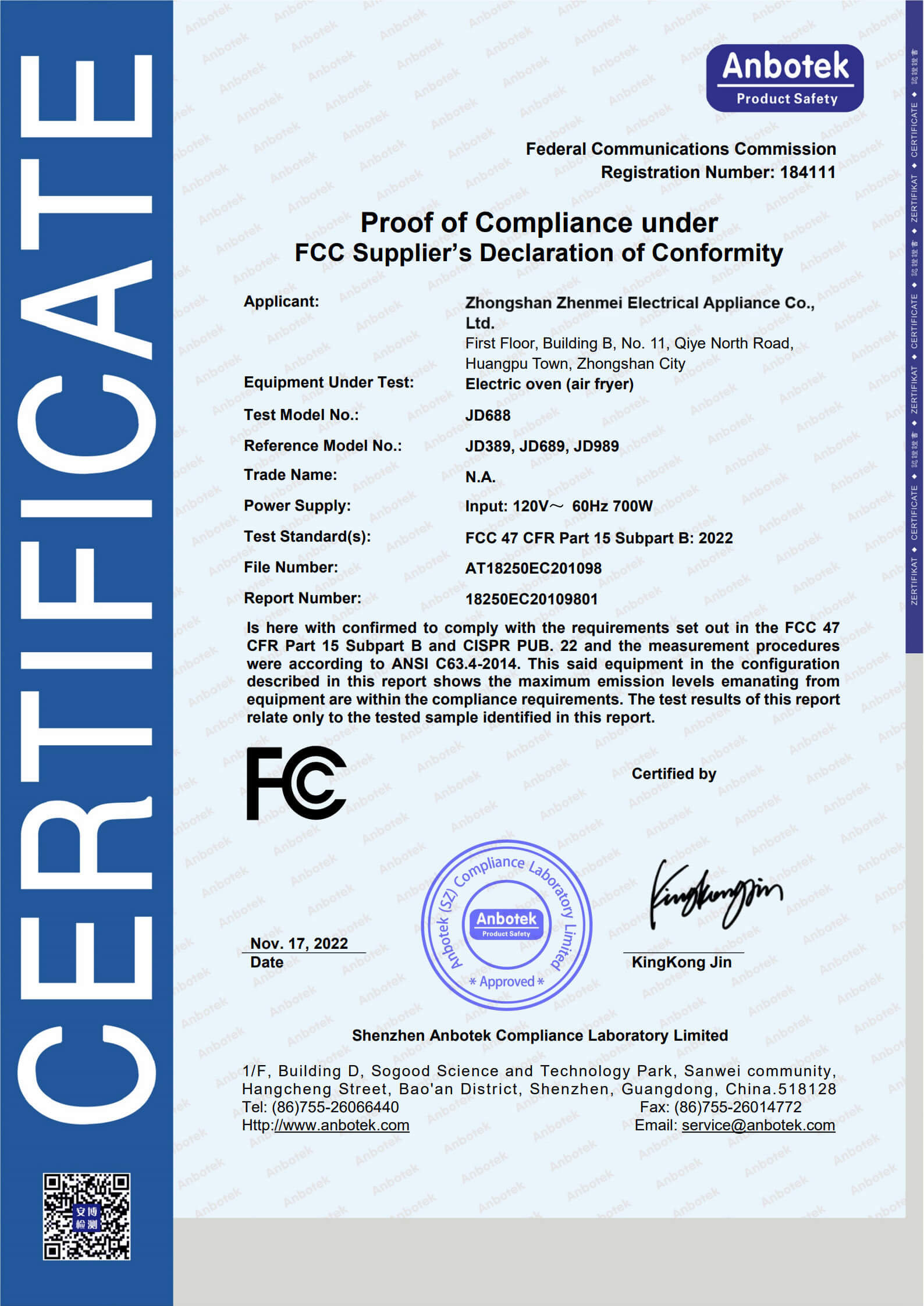
Shipping to international markets requires a deep understanding of safety standards. Whether it's CE for Europe, ETL for North America, or CCC for China, each compact oven must undergo stringent dielectric voltage-withstand tests. As an OEM partner, we ensure that every unit leaving the 40,000 sqm facility meets or exceeds these global benchmarks, providing peace of mind for both the brand and the end-user.
In conclusion, the home microwave oven for small apartment living has evolved into a sophisticated, multi-purpose culinary instrument. It represents the intersection of industrial engineering, urban design, and digital innovation. As we look toward 2030, the trend will continue toward even smaller footprints with even greater power, driven by the needs of a global population that refuses to compromise on the quality of their food, regardless of the size of their kitchen.
Choosing the right manufacturing partner—one that understands the nuances of small-space living and possesses the R&D depth to innovate—is the key to success for brands in this high-growth sector. With 16 years of experience and a commitment to quality, we invite you to explore the future of compact cooking with us.