Leave Your Message
The demographic shift towards an aging global population has catalyzed a profound transformation in the healthcare and senior living sectors. As life expectancy increases, the demand for specialized, high-quality elderly nursing homes, assisted living facilities, and memory care units has surged exponentially. Within these environments, the culinary and dietary management systems play a critical role in maintaining the health, morale, and overall well-being of the residents. At the heart of this operational matrix is the Microwave Oven For Elderly Nursing Homes—a seemingly standard appliance that has evolved into a highly specialized piece of commercial-grade medical-adjacent equipment.
Historically, nursing homes relied on standard residential microwaves, which posed significant risks ranging from operational complexity for cognitively impaired residents to inadequate durability for the high-volume demands of a commercial care facility. Today, the industrial landscape dictates that microwaves used in these settings must bridge the gap between heavy-duty commercial performance and accessible, senior-friendly design. Manufacturers are now bound by strict regulatory frameworks, including FDA food safety guidelines, OSHA workplace safety standards for staff, and ADA (Americans with Disabilities Act) compliance for resident usability.
The market for institutional microwave ovens is currently experiencing a robust compound annual growth rate (CAGR). This economic upward trajectory is driven by facility administrators recognizing the long-term Return on Investment (ROI) associated with upgrading to smart, purpose-built appliances. A commercial-grade microwave oven tailored for elderly care reduces food waste by ensuring precise, even heating—crucial for sensitive geriatric palates and digestive systems. Furthermore, these advanced units drastically minimize liability risks associated with accidental burns, fires, or undercooked meals, thereby lowering insurance premiums for healthcare facilities.
From an industrial manufacturing perspective, the production of these specialized ovens requires rigorous material selection. The interiors are predominantly constructed from high-grade, antimicrobial stainless steel, which resists the corrosive effects of frequent harsh chemical cleanings required in medical environments. The magnetrons (the core heating element) are engineered for continuous, back-to-back usage without thermal degradation, ensuring that during peak meal times, staff can heat therapeutic diets, specialized purees, and nutritional supplements rapidly and safely.
As we move deeper into the era of the Internet of Things (IoT) and Artificial Intelligence, the traditional microwave is being reimagined. For elderly nursing homes, these technological advancements are not mere conveniences; they are essential tools for enhancing patient autonomy and operational efficiency.
Modern units utilize advanced infrared and humidity sensors driven by AI algorithms to detect the exact temperature of the food. For elderly individuals whose sensory perception of heat may be diminished, this prevents the consumption of scalding food. The oven automatically shuts off when the optimal, safe consumption temperature is reached, entirely eliminating the guesswork.
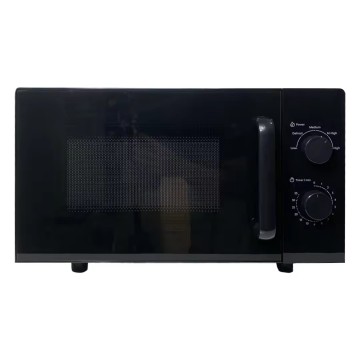
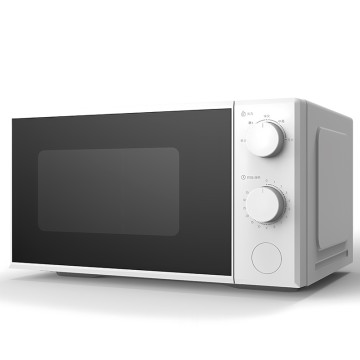
User interfaces are being drastically simplified. Trend analysis shows a move away from complex digital keypads towards high-contrast, tactile mechanical dials, or large, single-touch smart buttons. For residents with macular degeneration or early-stage dementia, visual cues, braille integrations, and auditory confirmations (using soft, non-jarring tones instead of harsh beeps) are becoming industry standards.
Smart microwaves in nursing homes are now connected to central facility networks. Nurses can remotely monitor appliance usage or engage digital child/dementia locks from their stations. If an appliance is left running empty or detects smoke, it not only shuts down instantly but sends an immediate alert to the facility's centralized safety dashboard.
One of the most profound trends is the optimization of microwave frequencies for specialized senior diets. Elderly residents often require dysphagia diets (pureed or mechanically altered foods). Standard microwaves can create dangerous "hot spots" in purees. The latest generation of microwave ovens for elderly nursing homes utilizes inverter technology. Unlike traditional transformers that pulse full power on and off, inverter technology delivers a seamless, continuous stream of lower power. This ensures that a bowl of pureed soup is heated with absolute uniformity, preserving vital nutrients and ensuring a safe, palatable temperature throughout the dish. This micro-level attention to the physics of heating directly impacts the nutritional intake and health outcomes of the residents.
To truly understand the value of a specialized Microwave Oven For Elderly Nursing Homes, one must examine the distinct micro-environments within a senior care facility. Each zone demands specific functionalities from its appliances.
In memory care wards, safety is the absolute paramount concern. Residents may attempt to heat inappropriate items (such as metal utensils or non-food objects) or forget they have started the appliance. Microwaves deployed in these zones are often built-in models with hidden power switches controlled by staff. When accessible to residents, they feature auto-weight sensors that refuse to activate if the cavity is empty or if metal is detected. The "One-Touch" operation is restricted to pre-programmed, low-heat settings, ensuring that residents can safely warm a cup of tea, fostering a sense of independence without compromising ward safety.
For seniors in assisted living who retain a high degree of independence, the microwave is often the primary cooking appliance. Here, the focus is on ergonomics and accessibility. ADA-compliant installations require microwaves to be placed at wheelchair-accessible heights. The doors feature easy-grip, low-resistance handles suitable for arthritic hands. High-visibility glass windows and bright interior LED lighting allow residents with failing eyesight to monitor their food easily. Voice-activated controls (integrating with smart home systems like Alexa or Google Home) are seeing massive adoption in this scenario, allowing users with limited mobility to operate the oven purely through voice commands.
Behind the scenes, the facility’s main kitchen operates like a high-volume restaurant, but with the added complexity of strict dietary tracking. Commercial microwaves here are rugged powerhouses, often featuring 20L to 56L capacities and dual magnetrons. They are used to rapidly thaw bulk ingredients, steam vegetables to preserve water-soluble vitamins, and bring pre-plated meals up to safe serving temperatures just before distribution. These units feature programmable memory pads, allowing dietary staff to set exact heating profiles for specific medical meals, ensuring absolute consistency across hundreds of servings per day.
Nursing home staff work grueling shifts, often with minimal time for meal breaks. A reliable, high-wattage microwave in the breakroom is essential for staff morale. These units must withstand constant, varied use. Easy-clean ceramic interiors and robust filtration systems are vital to prevent cross-contamination of odors. By providing top-tier appliances for the staff, facility management indirectly improves patient care, as well-rested and properly nourished nurses are more attentive and effective.
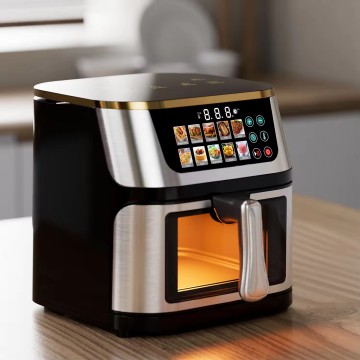
Zhongshan Zhenmei Electrical Appliance Co., Ltd. is a premier OEM/ODM partner specializing in the manufacturing of kitchen appliances, including specialized microwave ovens, air fryers, electric pressure cookers, and blenders. With over 16 years of expertise, we transform concepts into high-quality, market-ready products for leading global brands, perfectly tailored for healthcare and senior living environments.
Our strength lies in robust in-house manufacturing. Operating from a 40,000 sqm advanced facility, powered by 300+ dedicated professionals and 20+ R&D experts, we ensure precision and control at every stage of the microwave oven production process.
Our massive 10,000+ units daily output reliably meets the demands of high-volume orders worldwide. We are committed to excellence, underpinned by a rigorous quality control system that guarantees the safety and reliability of every product destined for elderly care.
We are the trusted, end-to-end solution for your OEM/ODM needs. Choose us for innovation, scale, and reliability. Let's build your next success story in the healthcare appliance sector together.
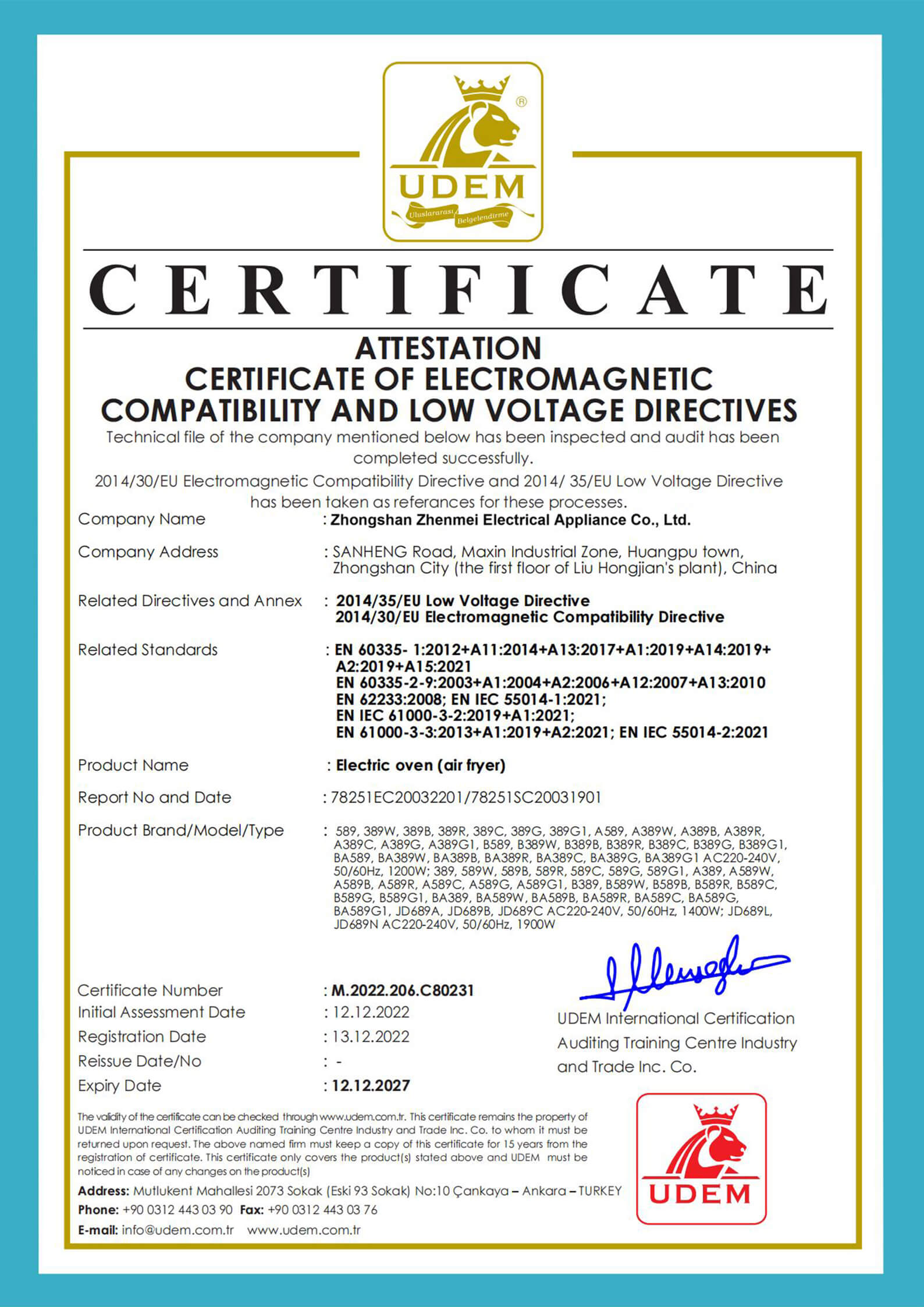
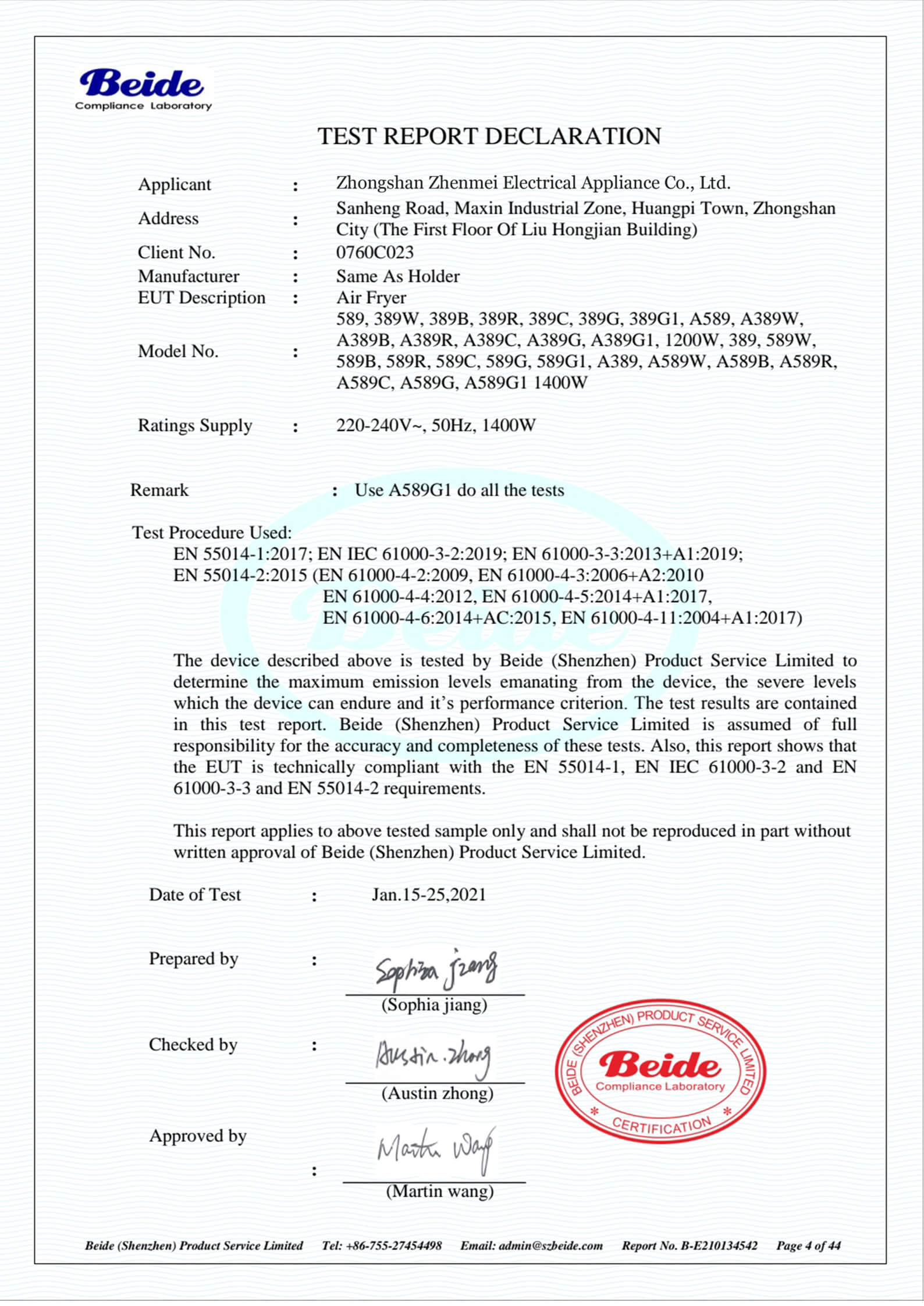
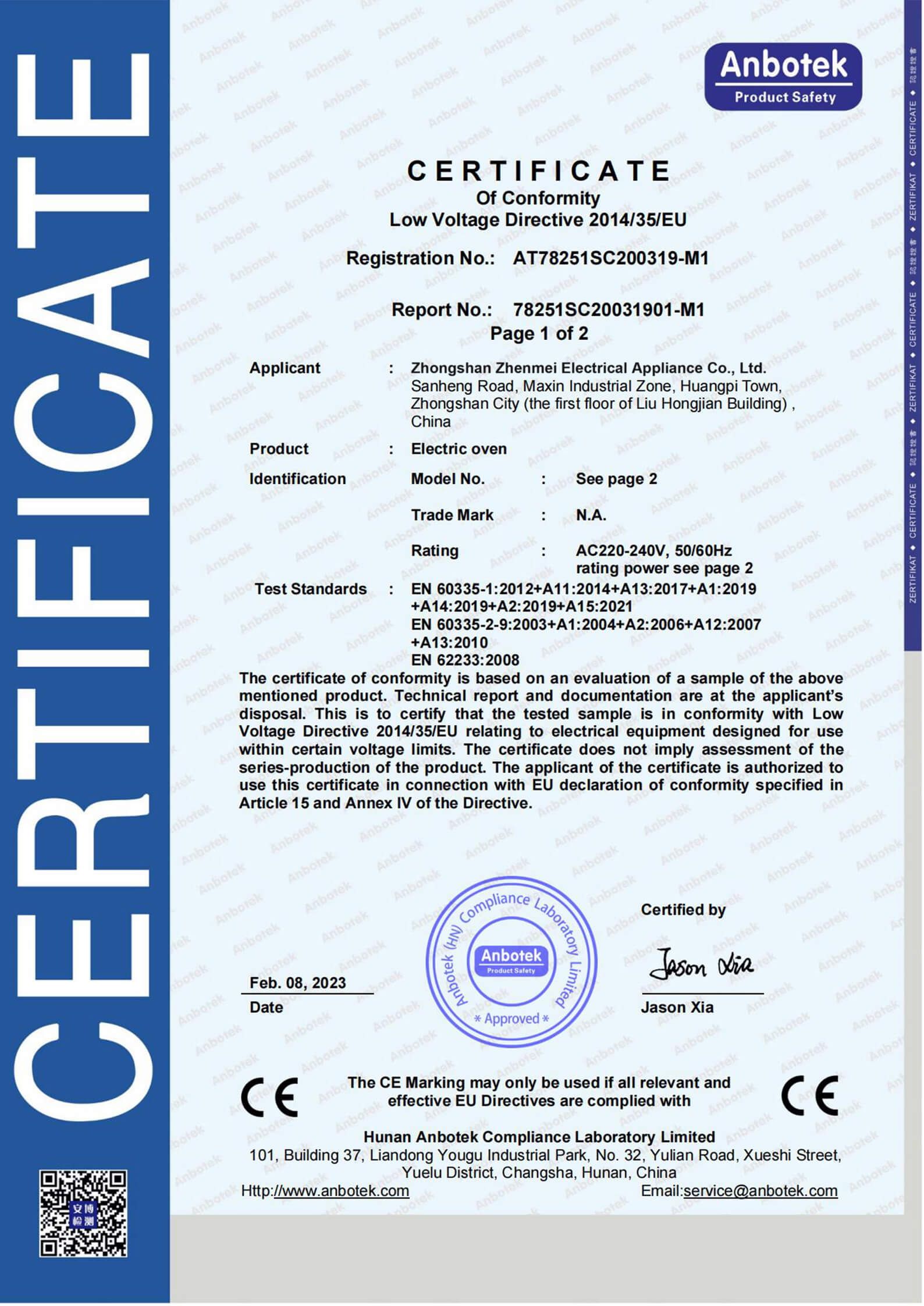
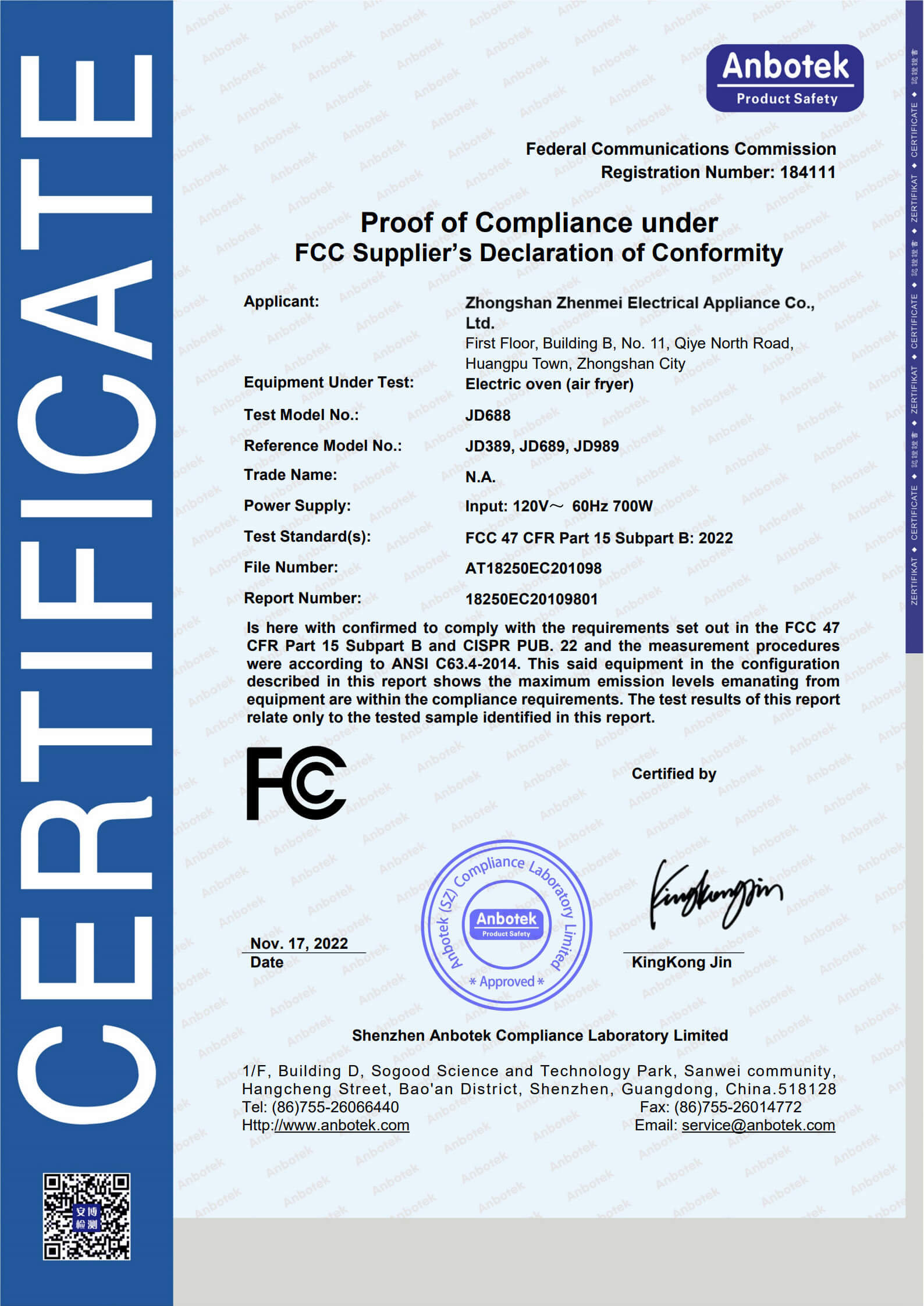
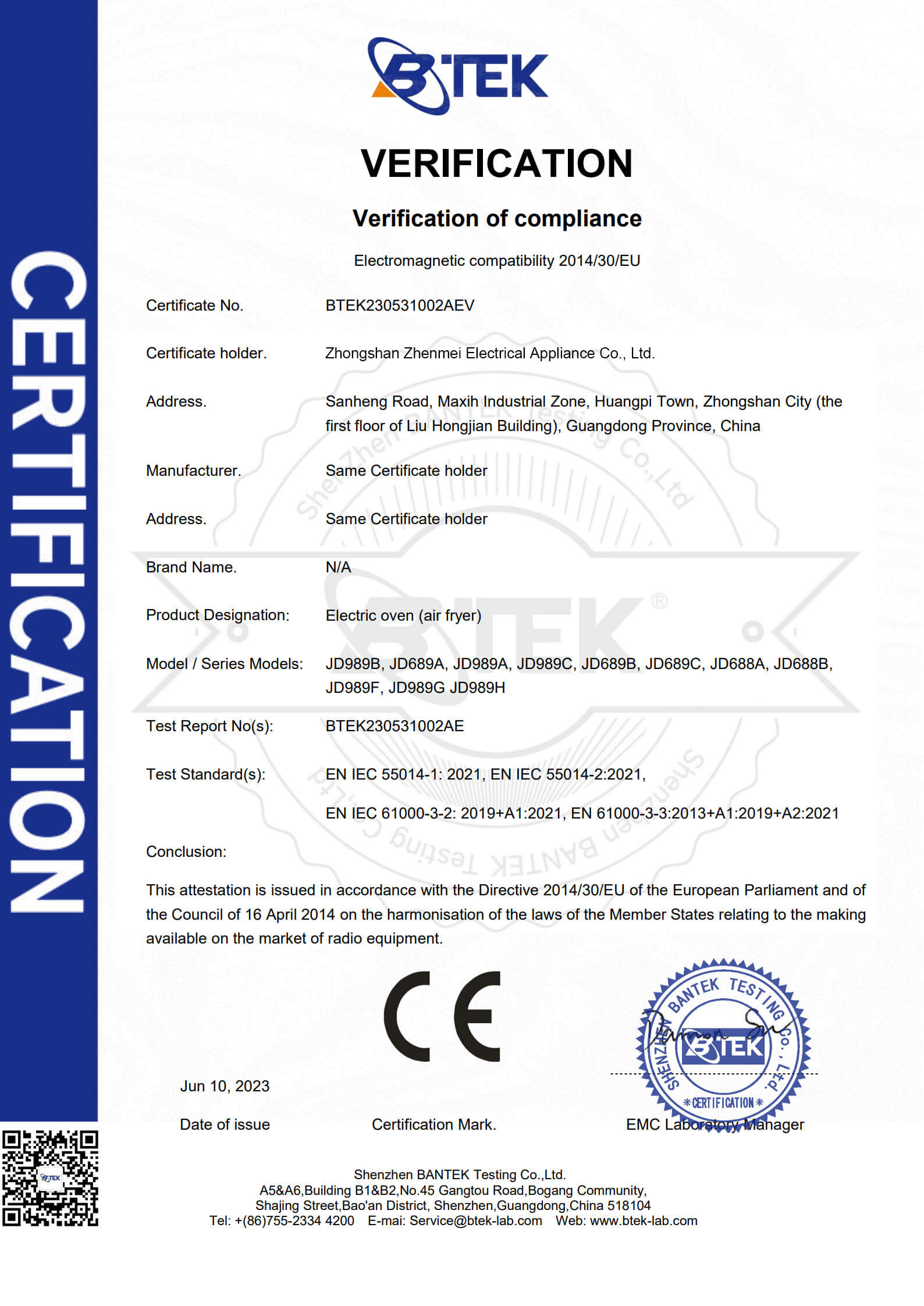
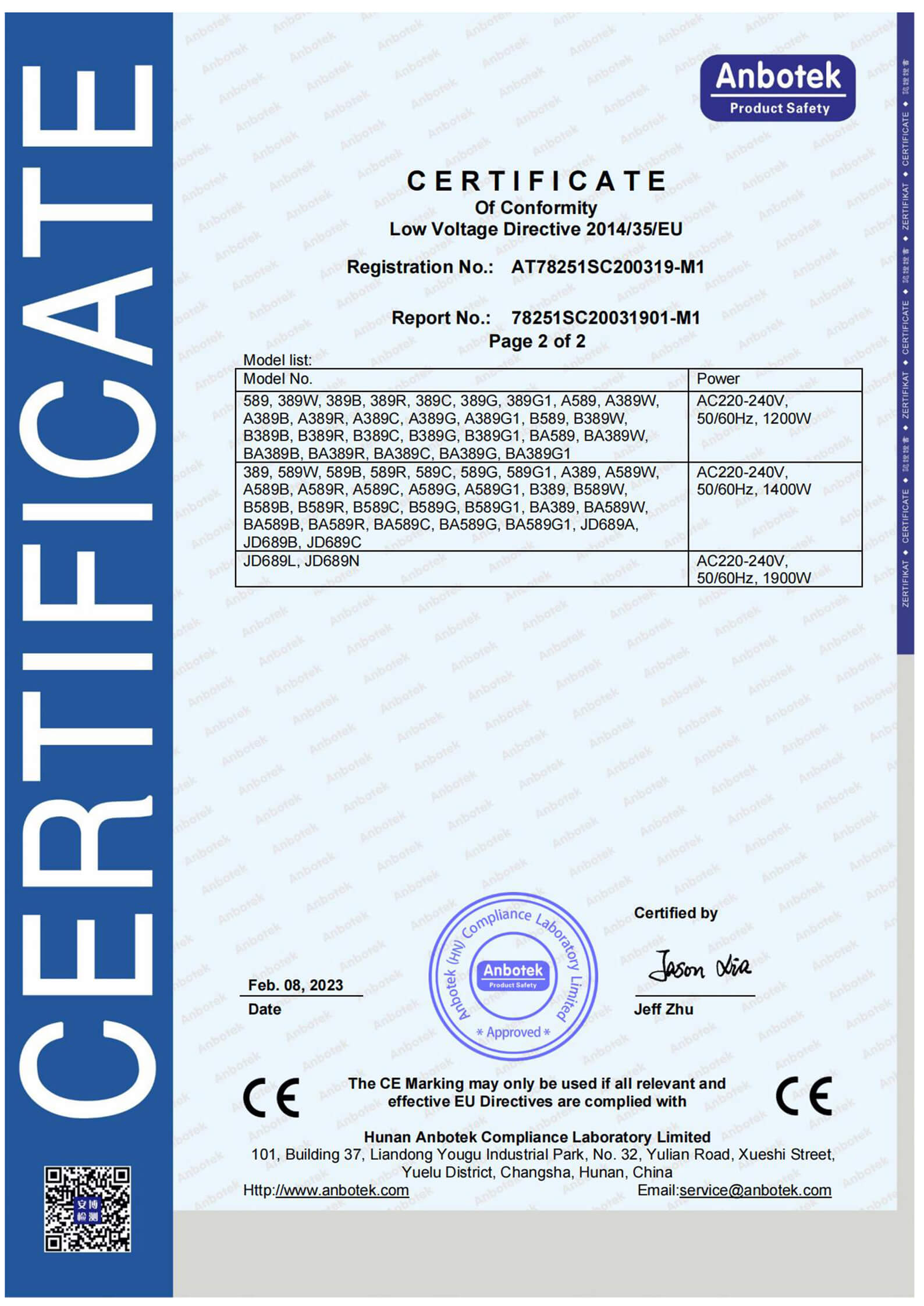
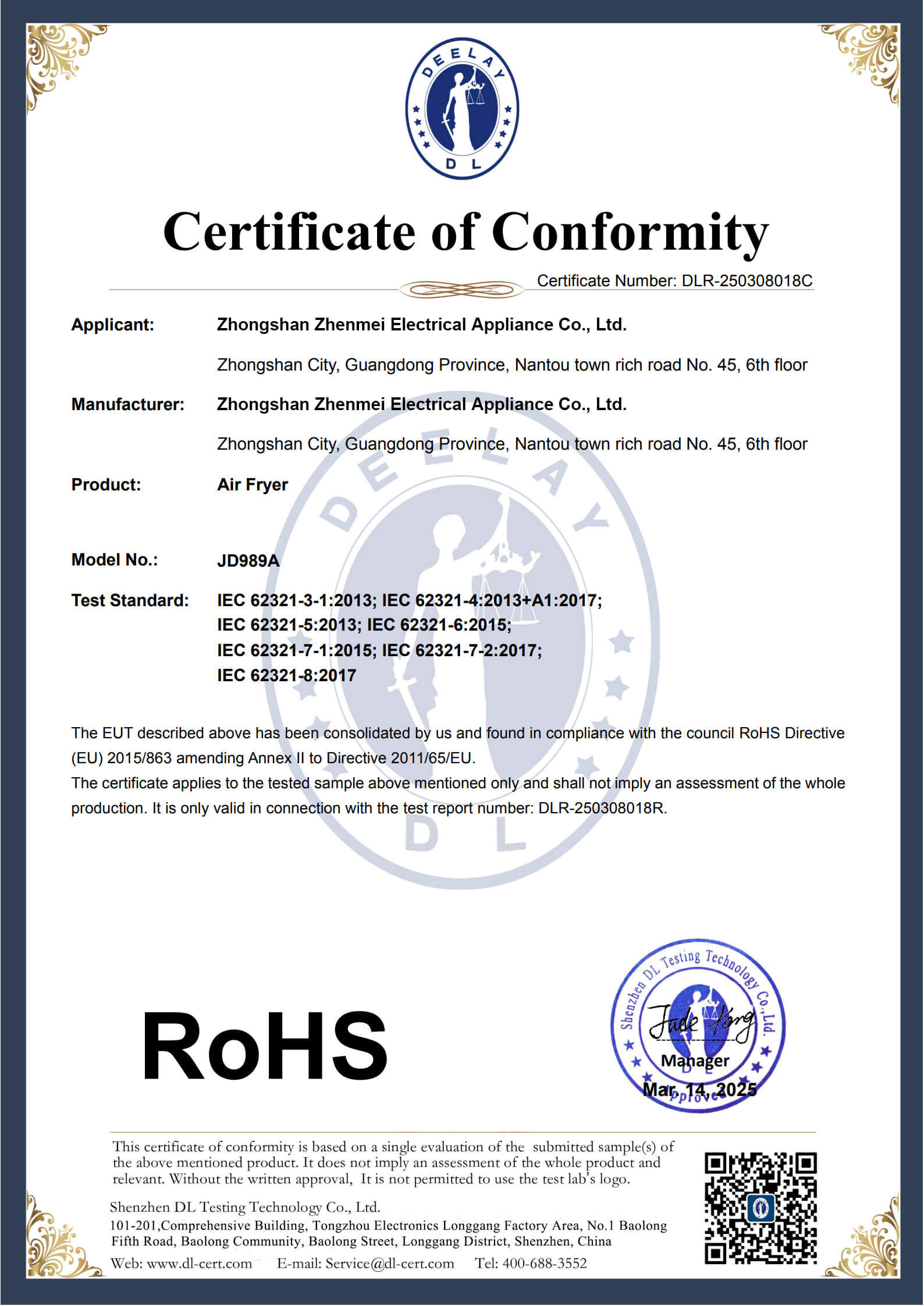
Meeting the highest global standards for safety, quality, and environmental responsibility.